Closing of Iconic Retail Chain Marks End of an Era in Shopping Culture
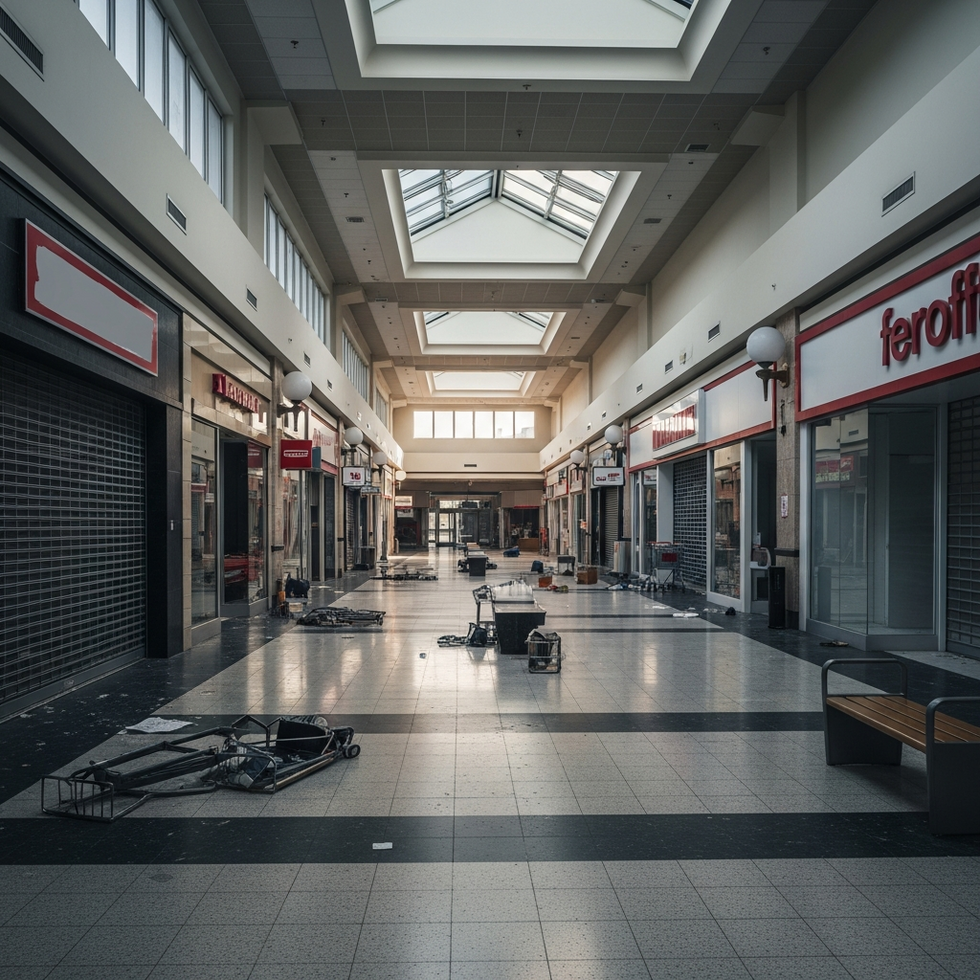
The Historic Closure of a Retail Legend Signifies Broader Market Transformations
A sudden shut-down has shaken shoppers everywhere, as a beloved store with roots dating back half a century revealed it will vanish overnight. News came fast, faster than anyone saw coming, exposing how shifts in buying habits now shape what stores survive. Known for rows upon rows of everything from gadgets to groceries across hundreds of locations, the brand slowly lost footing against digital rivals. Its name long echoed with comfort and trust - yet lately, that familiarity could not override mounting pressure. Folks are buying more online these days, while habits shift and expenses climb, making old-style physical shops harder to keep running. What happened is not just a shutdown - it points to how fast retail must shift toward web-based models. Towns once buzzing with foot traffic lose momentum; jobs may shrink, plus neighborhood sellers tied to the brand face tougher times ahead. This choice fits into a larger shift seen across global retail sectors, where businesses confront new tech trends alongside changing customer habits. What comes next is unclear - how legacy stores adapt to face rising digital competition remains a question mark. Their future might look very different, shaped by which models last long enough in existing forms or new regions.
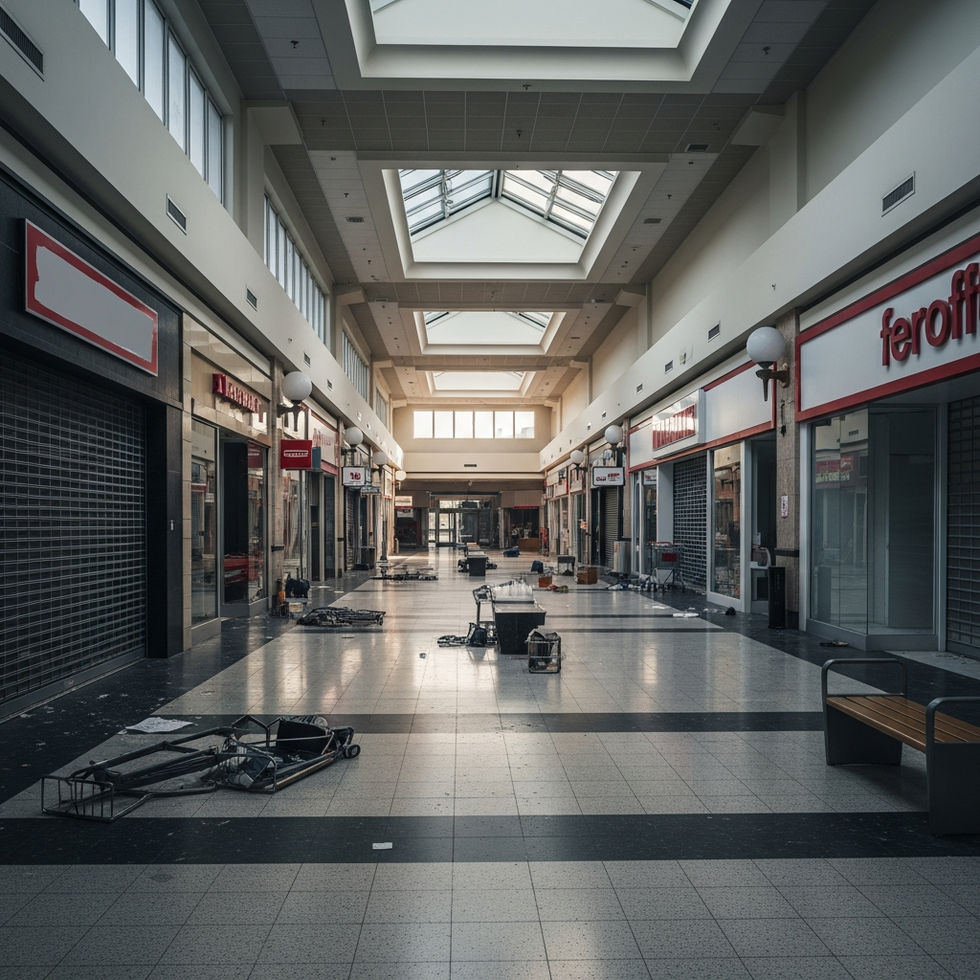
Nowhere is the story more clear than in stores once packed with customers, now quiet. What happened? Shoppers turned elsewhere - websites that never close, offer endless choices, keep prices under watch. Places like Amazon or Alibaba didn’t appear overnight; they grew fast, absorbing attention over years. Fewer people walk downtown blocks because screens deliver goods straight to doors. When brands ignore changes online shoppers expect, survival gets harder year after year. Some shops simply vanish, replaced by screens lighting up living rooms elsewhere. Shopping online now spreads faster than before, shifting locations where people buy while reshaping how they choose things - speed helps, think quick deliveries, tailored suggestions, even virtual clothing fits. Because of this turn, stores on physical ground face urgent pressure to transform how they operate, spending more on web platforms, ad presence, and drawing customers close. Workers inside those shops feel changes sharply, some move jobs, others lose positions without warning. Still, fewer brick stores lead to empty neighborhoods and weaker local commerce, where many shops rely on constant customer flow. So this shutdown isn’t just one isolated event - it shows how shifts in retail reshape entire areas.

When a retail chain shuts down, money troubles aren’t the only thing that changes. Whole neighborhoods start feeling shifts too, slowly building up. Big stores usually give steady work to lots of people - suddenly those jobs vanish. Some folks lose their paychecks without warning, left searching for new ways to earn. Places where stores once lined the streets suddenly see fewer customers walking by. Smaller businesses nearby feel quieter days, less crowd moving between doors. When one business leaves, it often pulls others along, leaving behind rows of empty shops where energy once lived. What starts as a small gap can spread - streets grow quieter, owners grow wary. In time, even nearby neighborhoods may feel the weight, property prices dipping as confidence fades. Tax income shrinks when local enterprises vanish, leaving budgets thinner each year. Out of crisis like this comes a clear truth: cities need flexibility, need variety, not just reactive fixes but foresight shaping today’s choices. Some people look back fondly, others worry - homes hold memories of simpler times, yet minds also race with what might come after shops vanish. With streets less busy, families recall laughter from neighborhood corners now quiet. Leaders face new questions: how to keep local stores alive without old systems, how adaptation can happen so people aren’t left behind while commerce shifts fast.