Mastering Camouflage Strategies in Gaming and Esports for Competitive Edge
The Growing Importance of Camouflage in Modern Gaming and Esports
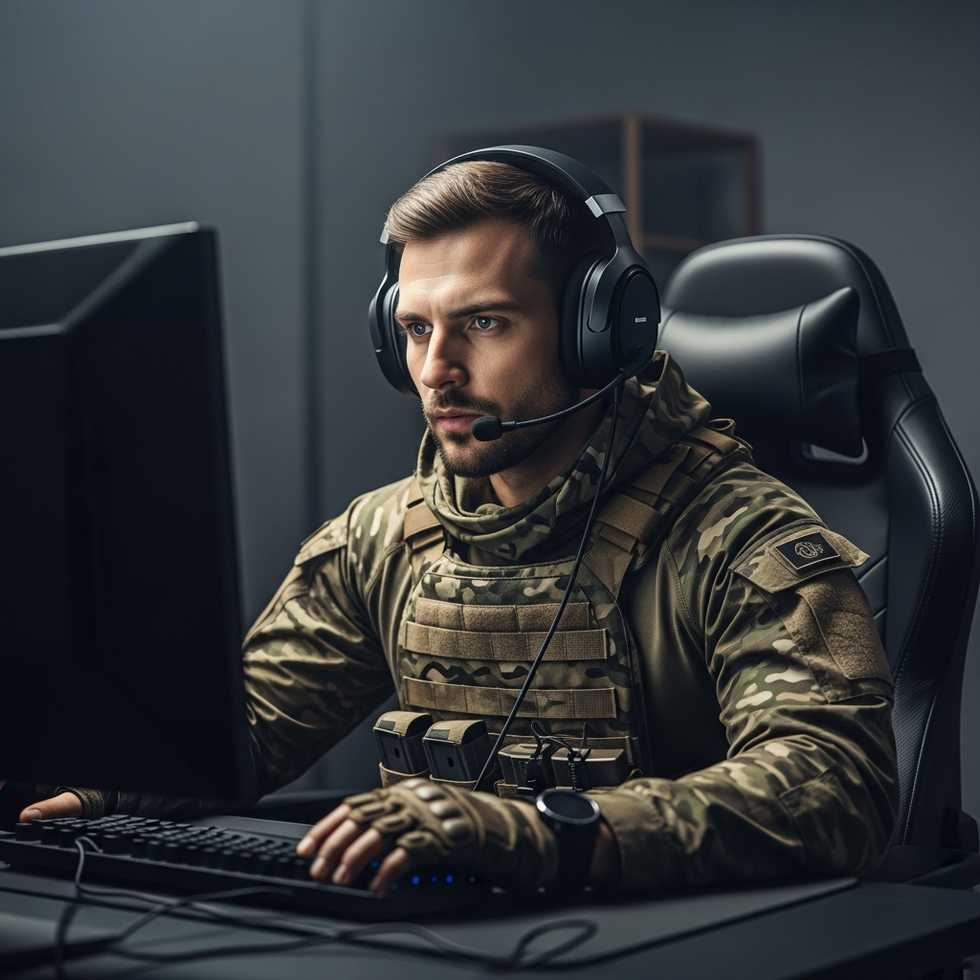
Lately, competitive gaming and esports have changed fast - with hiding becoming more central than before. When competitors want extra edges, they turn to camouflage advice that shifts the balance sharply. Learning how to merge with environment means less being seen, more staying hidden under pressure. Surprise attacks improve when invisible; escapes get easier too, simply by fading into view. Out in the gaming world, new play spaces like vast open worlds or tight, fast battles keep forcing smart hiding tricks far beyond basic stealth. Instead of just wearing flat camouflage, players now tweak gear, adjust game options, or plan precise motions to remain unseen - this works whether someone is racing solo or teaming up. Because staying unnoticed matters so much, even casual players adopt these habits without thinking about it. Over time, game designers pulled ideas from real-world combat methods and animal behavior, weaving them into gameplay to tilt chances slightly in favor of the player. With esports growing world wide, knowing how to handle camouflage strategies isn’t just helpful - it's what separates strong players from the rest.
Essential Components of Effective Camo-Guides for Gamers and Esports Athletes
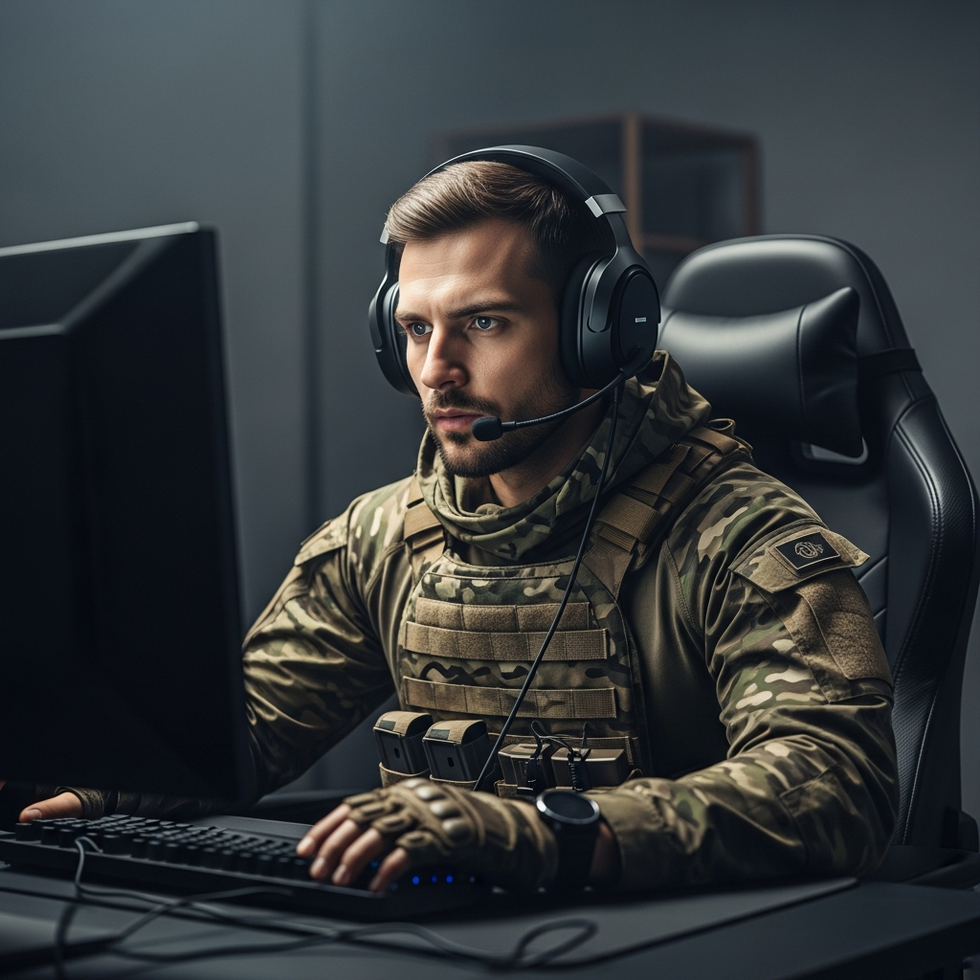
Knowing the main pieces of a solid camo-guide improves how well gamers stay hidden during gameplay. Picture choosing outfit pieces and colors that hug the background - like leafy tones on forest areas or city-shade hues in built-up zones. These choices matter more than they seem. Another thing - how the game looks after tweaking lighting, shade intensity, and hue depth makes disappearing easier. Crouching helps stay hidden just as much as strafing does. Cover spots matter too when avoiding detection. Knowing where things are on the map gives a sense of where foes might show up. This insight makes predicting their moves possible. Planning escape paths or attacks becomes sharper when timing is considered. Some guides go further into gear choices - lightweight outfits reduce sound. Noise-minimized fabrics also play a role in staying under radar. Augmentations inside games, such as casting shadows or setting up fake versions, add another layer. These details often aren’t mentioned outright but show up through real-player examples. When you put those pieces together, shaping them into one clear plan helps hide your presence better. This shift sharpens how you play, lifting it beyond basic moves into smoother, more skilled rounds.
Popular Tools and Resources for Enhancing Camouflage in Gaming
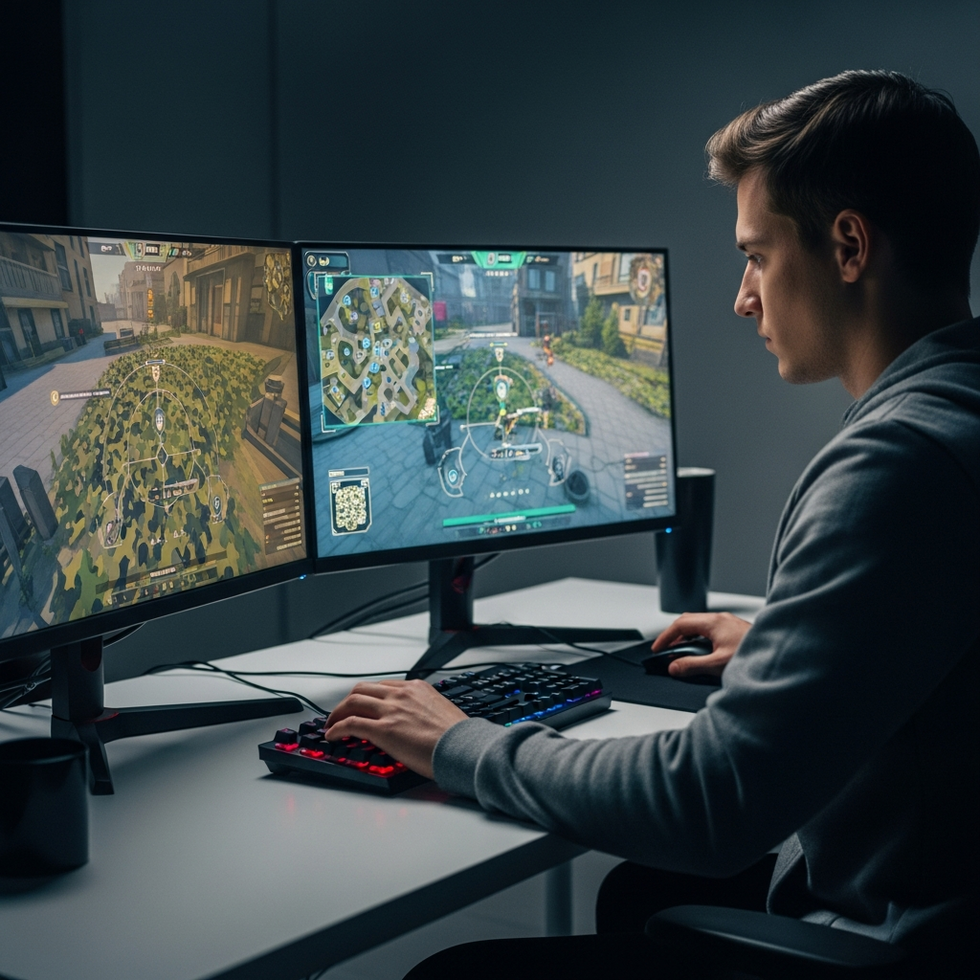
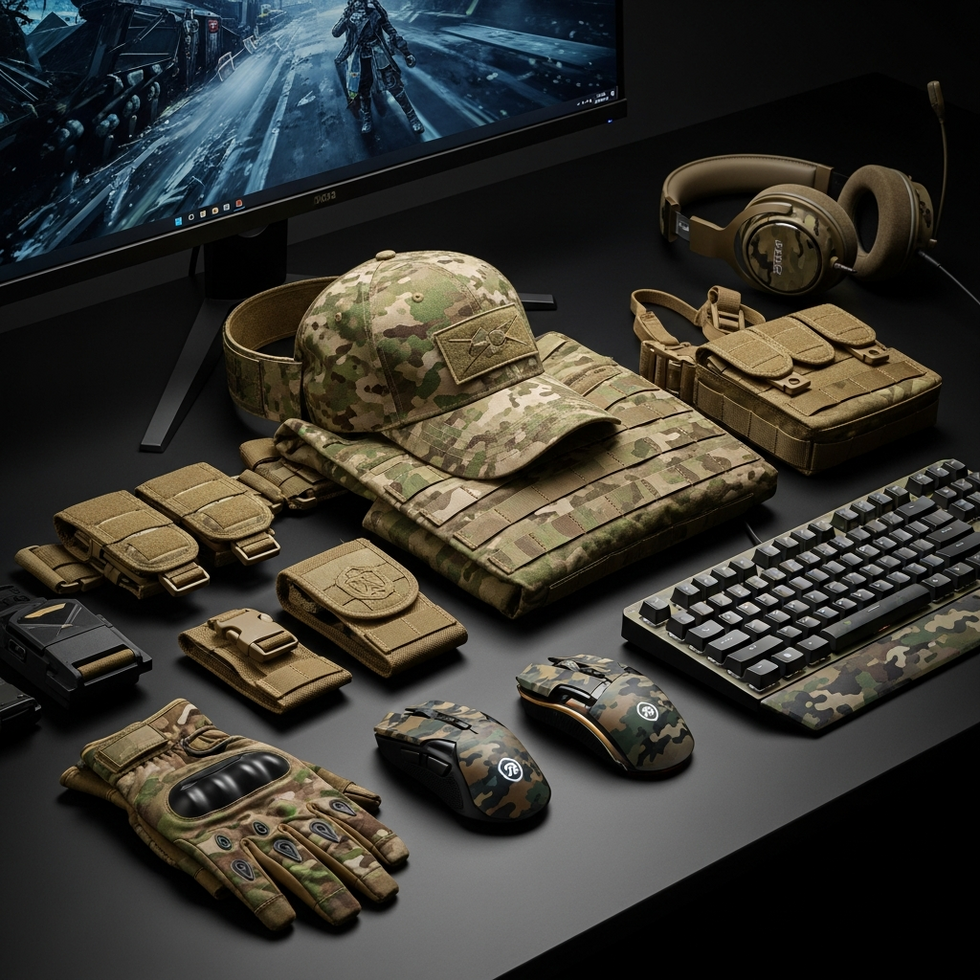
Out in front now, some gamers rely on custom gear hiding them better during play. Shirts and pants built to copy real-world settings - like fabrics that swallow sound, keeping motion silent under cover. These setups reduce detection by blending into surroundings. Equipment upgrades too, such as sharp screens for precise aiming, block background noise so concentration stays high. When sneaking through maps, these details make staying under radar easier. Out in the digital world, different app types and software tools help users spot good hide spots during games or tweak gameplay options for better blending in. Over on streaming sites such as Twitch and video sharing pages including YouTube, deep guides pop up regularly - showing off how well-hidden camouflage equipment works along with smart playing methods. Because of this constant flow of shared insights, the web-based community plays a key role in spreading useful know-how. Notably, high-level esports squads even get special camouflage outfits built around specific map designs they favor, showing just how advanced the system has grown when blending tech into tactics. Players using real-world gear alongside online resources often find better results in stealth games. Success here tends to rise when these tools mix together.
Future Trends and Innovations in Gaming Camouflage That Will Define the Next Era
What lies ahead in gaming and esports? New camouflage methods are taking shape using tools such as augmented reality - not just fantasy, but layered into real-time vision. Imagine seeing digital patterns superimposed over surroundings while navigating a map. These visual guides adjust fast, matching shifts in environment without delay. Meanwhile, artificial intelligence hums behind the scenes, processing moments live. It detects patterns humans might miss, then suggests camouflage choices that fit the exact situation. Because of this, staying hidden won’t feel like trial and error - it simply happens. What's more, pulling ideas from how animals hide themselves might create smart gear that changes appearance based on surroundings. Instead of bulky tools, newer versions could be slim, smarter, able to adapt quickly. Because tech now packs extra power in compact forms, characters may find easier ways to blend in - shaped exactly to their habits. Over time, digital camouflage pieces are showing up more often, hinting at games where fitting in is built into the whole experience. What stands out is how new approaches make playing feel fresh while giving more people the chance to use smart hiding techniques without hassle.