Mastering Gameplay-Tactics to Elevate Your Gaming and Esports Performance
The Importance of Strategic Gameplay in the World of Esports
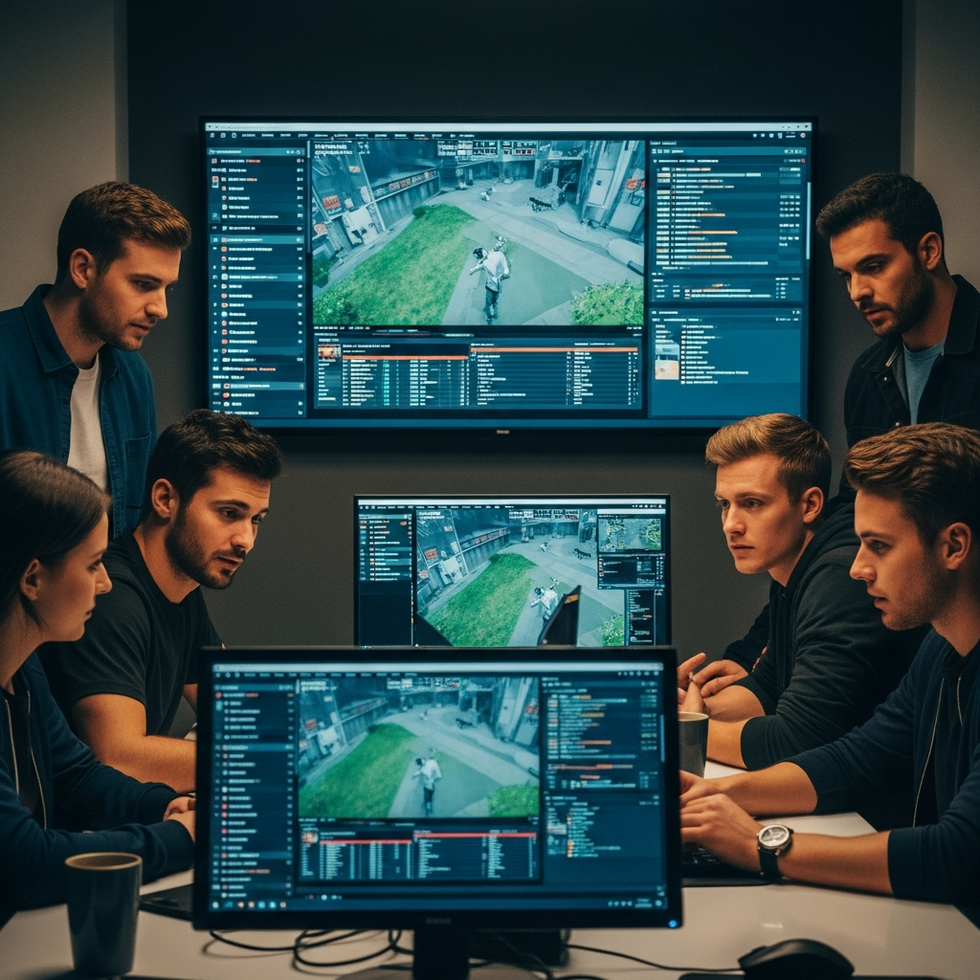
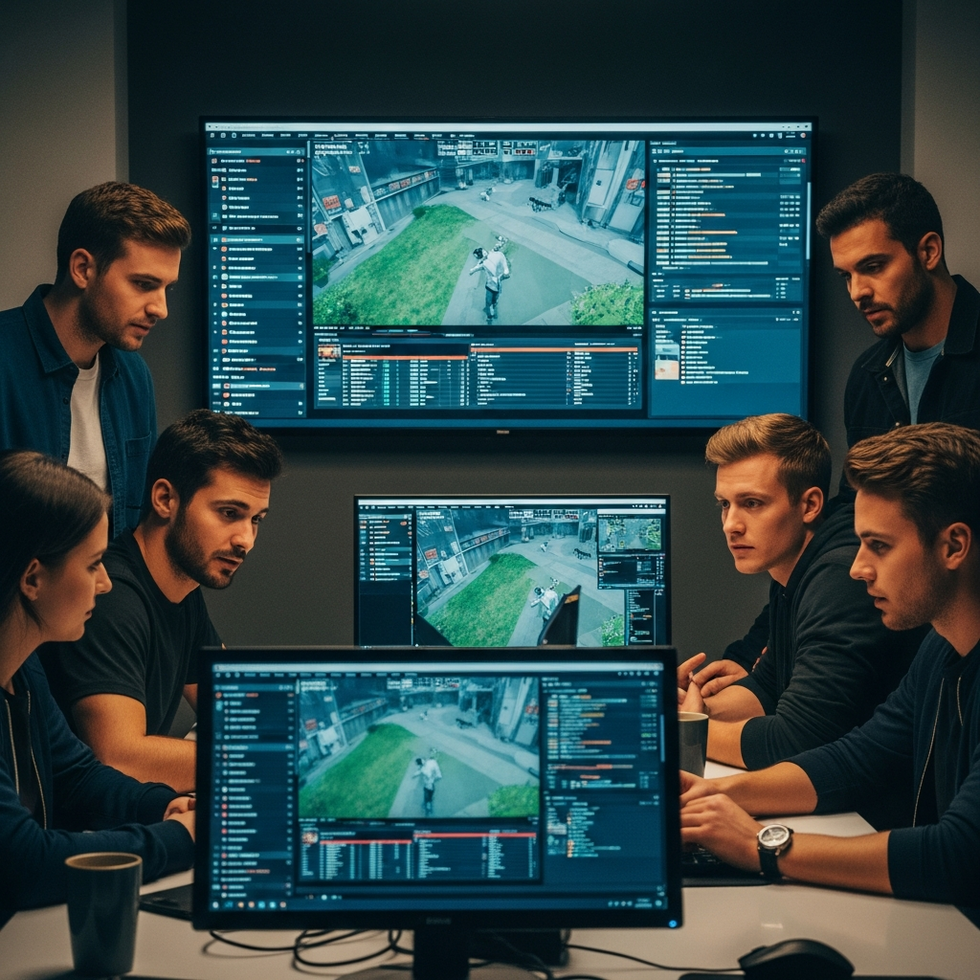
Out in the growing world of gaming and competitive play, smart choices during battles set regular gamers apart from elite pros. Staying sharp means watching moves closely, tracking how rivals act under pressure, while refining moves that quietly boost performance. Grasping how matches unfold, handling items well, and acting fast when situations change - these pieces hold teams together. Take League of Legends or Counter-Strike - teams that work together, spotting where opponents might move, using tricks to mislead them, then pressing advantages on the map, usually win. This kind of smart planning doesn’t come built-in; it grows from regular play, going over mistakes, adjusting as strategies shift across the game. As players begin to see strategy matters more, tools powered by real-time insights start gaining ground - sites such as OP.GG or Chess.com show how numbers can shape better moves.
Implementing Tactical Approaches in Daily Gaming Practice
Most gamers stumble when moving from book knowledge to real-game play. Building actual skills means doing focused workouts built around one or two abilities at a time. Take fast-paced shooters - think Valorant or Siege - where folks spend time in practice modes, refining quick reactions and precise shots. These sessions aren’t rare; they pop up during off-hours, shaped by personal needs rather than rules. Shifting strategies mid-game becomes easier when players notice what isn’t working. Instead of sticking to one plan, they adjust in real time to stay ahead. Watching their own moves later helps spot blind spots or weak spots. This kind of review sharpens choices over time. Learning happens fastest when results are studied closely after each match. Progress kicks in once feedback becomes part of daily routine. Goals get clearer only after actual play is reviewed. Improvement follows a steady path built on reflection, not guesses. One reason people turn to tools such as [Gamesense](https://gamesense.gg/)? They offer real help shaping team strategies without constant feedback loops. Guidance matters more than ever for those stepping into competitive gaming roles.
Leveraging New Technologies and Data for Tactical Advantage
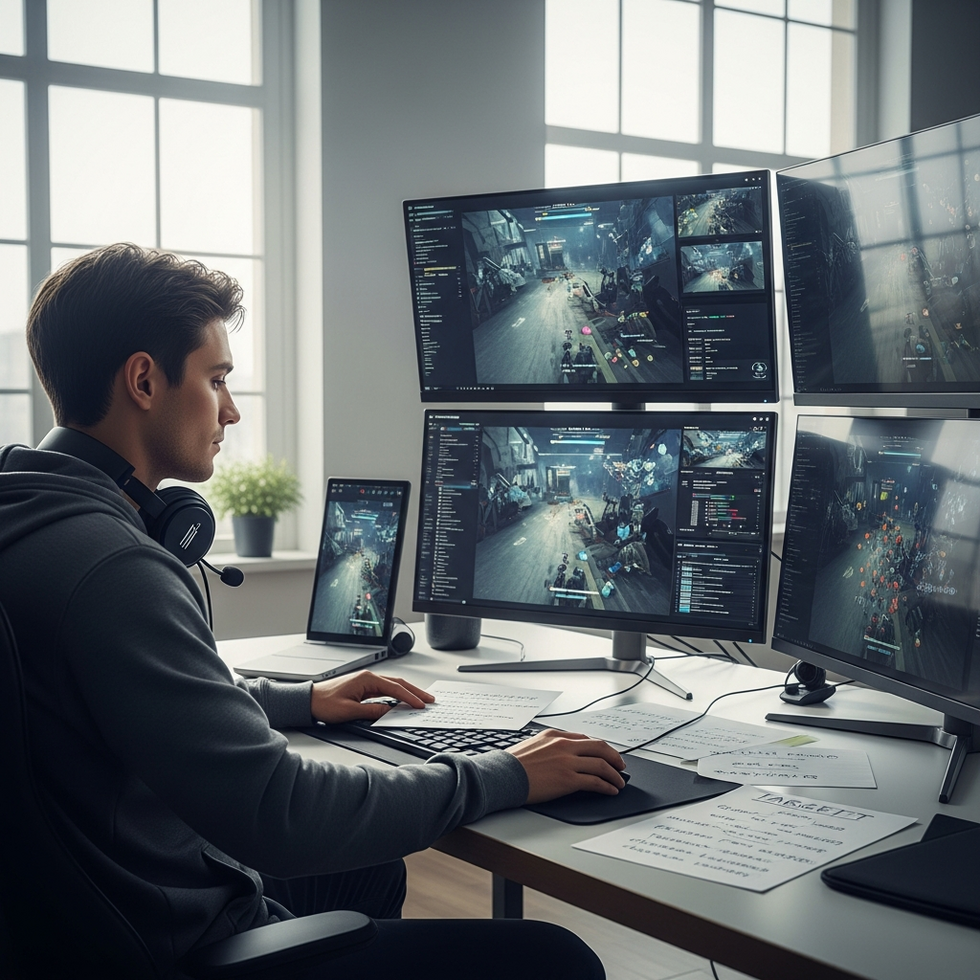
Lately, gaming tech has changed fast - giving players sharper ways to control games. Instead of guessing, people now rely on smart systems that learn from play. Think about Fortnite: when someone notices patterns in movement or aim, software quietly highlights them. This shift means choices feel more grounded in actual play, less based on instinct. Suddenly, improving isn’t about trial and error - it follows data trails. Real-time numbers show what works, even between matches. Learning happens without needing a coach. The edge comes from insights that update on their own. Out there, smart coaching tools use artificial intelligence to mimic how skilled players make moves during games. Real-time advice pops up while competition unfolds. With tech advancing fast, game modes adapt so players can try new strategies without risk. Learning speeds shift when environments tweak themselves mid-play. At the peak level, best esports squads watch each detail - cooldowns, team success chances, where everyone stands - all logged live. Their methods sharpen because every metric feeds deeper understanding. What keeps competitive players ahead in their space? It’s adapting - not just to new tech, but to better versions coming regularly from game makers. Smarter releases push the scene forward constantly.
Future Directions: The Evolving Landscape of Gameplay Tactics and Esports Training
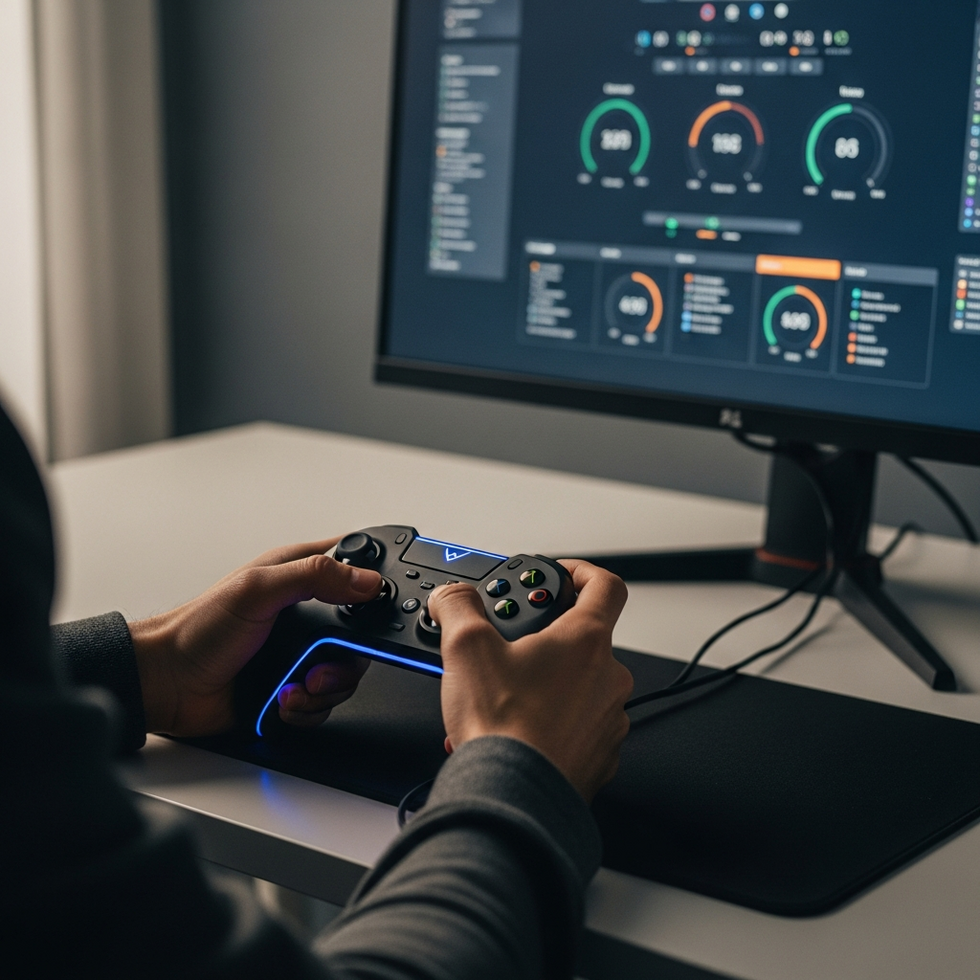
One step beyond today’s tools, virtual reality might change how players learn strategies. Instead of flat screens, imagine simulations so realistic they mimic real battles - no matter where you are. Picture soldiers wearing smart glasses that show enemy weaknesses before they attack. These same lenses could draw maps based on your team’s actual position live on the field. Imagine an AI assistant quietly watching your moves during a match then suggesting better choices without pause. When systems learn patterns this way, they may adapt faster than most human coaches ever did. Suddenly, learning becomes less like reading manuals and more like practicing in a living lab where mistakes cost nothing but insight. When these tools become more advanced, they will shape custom learning paths built around each person’s level of skill. Instead of generic routines, systems will adapt quickly to user patterns over time. Teams in esports now rely less on guesswork, turning toward artificial intelligence to guide their performance. Coaching that once relied on tradition now uses real-time insights shaped by algorithms. Victory at high levels no longer comes just from practice - it hinges on decisions made with precision. Gaming itself shifts fast, so progress isn’t about reaching a peak but keeping pace with what comes next. Learning never stops when new methods appear through discovery and trial. Change heads toward people who welcome new tools into their lives, using them to refine quick decisions on the field - this shift lifts personal play plus the wider competitive scene alike.