Mastering Strategy in Gaming and Esports for Competitive Edge

Understanding the Fundamentals of Effective Gaming Strategies
When games move fast, knowing basic moves helps stand out. Top players tend to watch maps closely, track supplies, yet also guess what rivals might do next. Getting familiar with how everything works does not just matter - it shapes real-time choices when things get heated. Peeking into games such as League of Legends, Dota 2, or Counter-Strike shows how smart moves unfold under pressure. Watching how experts play reveals hidden patterns others miss. Building skill starts with spotting trends in pro play styles. New players gain more by copying clever moves than copying winners. Watching your own matches later teaches timing better than advice ever did. Repeated drills work best when followed by slow video reviews. Real progress comes to those who adjust after seeing their own mistakes. Stopping early might separate strong players from those who just play. Not pushing forward at the right moment can reveal who truly understands the game. For anyone trying to improve, getting better does not always mean doing more. Even casual players notice differences when they pause instead of pushing through. Building real skill tends to come from knowing when to step back. Watching rivals shift strategies makes it harder to stay blind to your own moves.

Adapting Strategies Based on Game Dynamics and Opponent Behavior
What keeps gaming strategies working is shifting them when the situation changes. When things get unpredictable, sticking to one plan tends to backfire. Think about Overwatch or Valorant - see an opponent's move, then adjust before they finish it. Flexibility isn’t rare - it’s what sets better players apart. A changing opponent might try a surprise tactic; responding fast makes all the difference. Shifting strategies often grow stronger when players take time to improve on their own. By watching top-level games, they pick up different moves and patterns others use. Instead of copying, they fit fresh approaches into how they already play. What helps even more? Noticing what rivals do before it happens - like rushing forward or holding back too long. That awareness makes reacting sooner feel natural, almost expected. When team members exchange current information, their ability to adjust improves. Situation awareness stands out as key when coaches and analysts talk about team strategy. This awareness shapes how teams adapt during play. Through constant practice in varied situations, skills grow in making quick choices. Shifting smoothly becomes part of the routine over time. Pressure does not limit clear thinking as much when experience builds gradually. A strong foundation in timing and response sets teams apart in competitive settings.

Utilizing Tools and Resources to Sharpen Your Strategic Approach
When playing games now, using modern tech and what’s already around changes how strong you can be. Tools like OP.GG or Dotabuff show exact numbers about how well each player performs - details pop up easily. Meanwhile, sites run by players themselves, including subreddits or Discord chats, host real talk about moves and tactics anyone can jump into. People tapping these spots gain clarity on what works for them and where they stumble. That kind of insight leads straight to better play without vague guesses. During games, tools such as Statuses or Overwolf track performance moment by moment while suggesting strategies. Some pros rely on services - Gamer Sensei among them - that adapt guidance based on how someone plays. Others turn to websites like ProGuides built specifically for competitive play. What stands out is how these resources pinpoint key choices, adjust actions on the fly, then point out where mistakes tend to happen. Using these tools means faster growth in skills, plus it builds long-term planning habits without extra effort. When gameplay data meets shared insights from players, it creates space where adaptation happens before crisis. So adding such elements to how you train isn’t just helpful - it becomes key for getting better at smart game decisions.
The Role of Mindset and Practice in Developing Winning Strategies
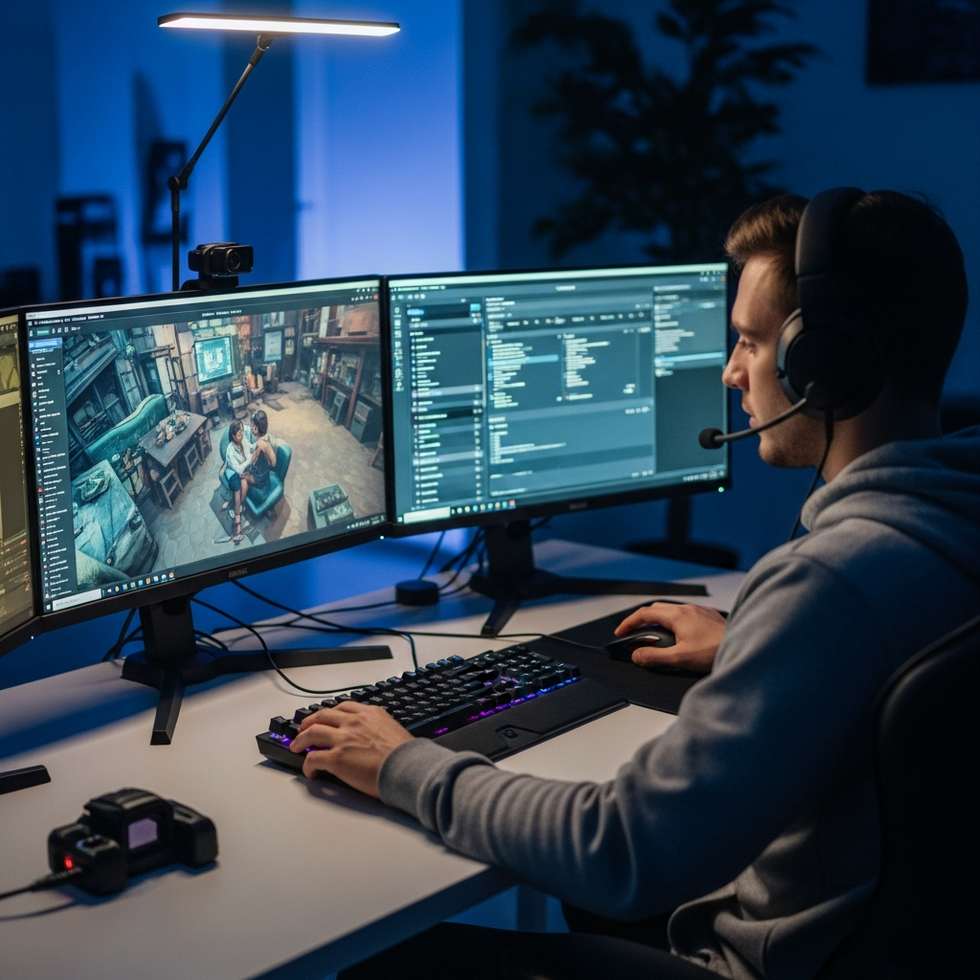
What lies behind quick moves and tools is how people think when playing games. Staying sharp under pressure - along with bouncing back from losses - matters just as much as skill does. Seeing failure not as a crash, but as a chance to adjust, helps players keep pushing forward. This way of viewing progress - where every slip feeds growth - opens space for trying fresh approaches without fear. Top gamers stick to structured routines built around clear targets, sharp concentration on flaws, followed by regular checks on how play can improve. When campaigns stretch months or battles stretch hours, staying mentally strong matters just as much - tired minds make poorer choices. Methods like imagining games, calming the mind, or copying daily habits used by competitors support staying at peak level. When things get tough, pausing instead of reacting helps clearer choices emerge. Small victories early on tend to fuel stronger decisions later when stakes rise. Teams in professional esports sometimes bring in specialists who study mindset and performance under strain. These experts help players stay steady amid pressure, which shows up clearly in how they move on the field or make rotations. A steady attitude, built through repeated effort and control, becomes essential for smart play rather than just fast moves.