New Study Reveals Video Games Can Boost Children's IQ Levels Significantly
Recent Research Shows Surprising Cognitive Benefits of Video Gaming for Kids
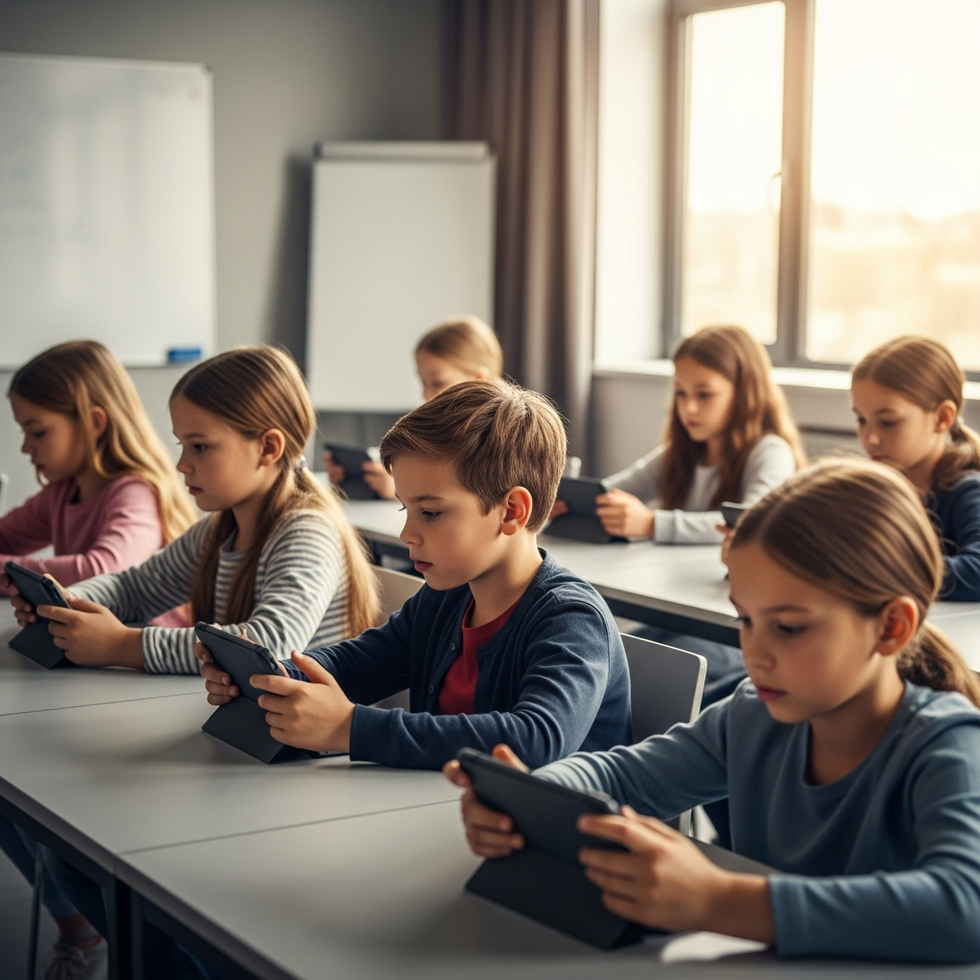
A fresh look at something once thought basic now shows kids who play videos often see clear gains in mental quickness. Scientists tracked many little gamers across multiple years, noticing how activities like puzzle solving, mapping shapes, and figuring paths challenge the mind in deep ways. That constant push seems to grow connections inside the head more than anyone realized before. Old assumptions - that gaming leads to anger or short attention - start to fade when faced with real results from long-term observation. What counts as learning might need rethinking because of it. Still, the idea comes through that gaming might actually help build thinking skills, particularly if woven into school settings and watched closely by adults. With screens popping up everywhere kids go, grasping how screen play really shapes young minds matters deeply to those guiding learning paths and wanting young brains to grow strong and steady. What this research shows hits hard when you think about those fake brain workouts or lesson-style games meant to sharpen attention - but old-style video play suddenly stands out, showing real advantages, so long as choices are careful and time stays balanced.
Understanding How Video Games Influence Brain Development in Youngsters
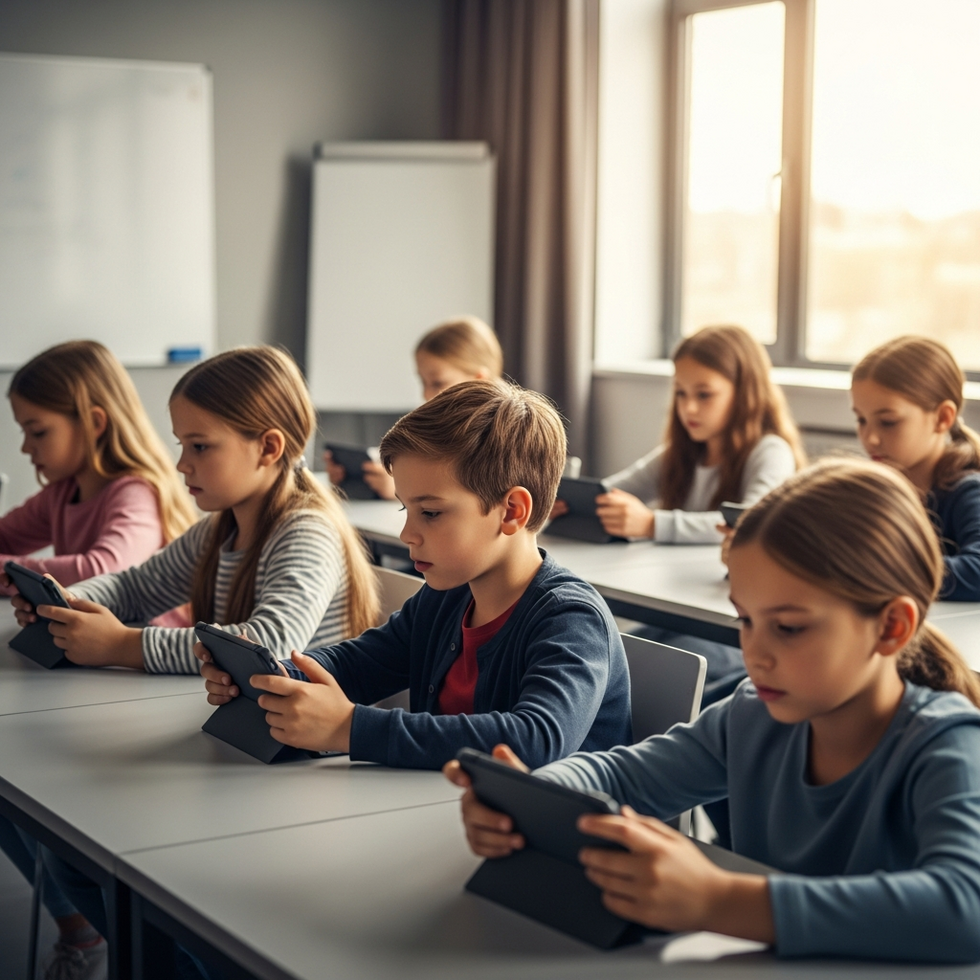
Looking closer at what makes certain video games work well, scientists note that genres like puzzles, strategies, or simulations can boost brain activity tied to advanced thought patterns. Because these titles demand forward planning while adjusting rapidly to changes, they challenge players to handle intricate visuals and space relationships - abilities linked to strong cognitive performance. What stands out is that all game types do not help the brain equally; rather, the specific kind and level of engagement matter most when shaping young nervous systems. This study fits within broader cognitive science findings showing tough thinking tasks boost neuroplasticity - how brains adjust and change. Because of these results, educators could begin using carefully made video games alongside standard lessons. Learning spaces may shift toward using playful challenges that target key mental abilities. Young learners might find schoolwork more captivating when it includes structured game-like activities. With tech evolving steadily, classrooms may adopt such tools more regularly over time. The goal would be a richer mix of learning modes - less passive listening, more active discovery through play.
Implications for Parents and Educators in Embracing Gaming as a Developmental Tool
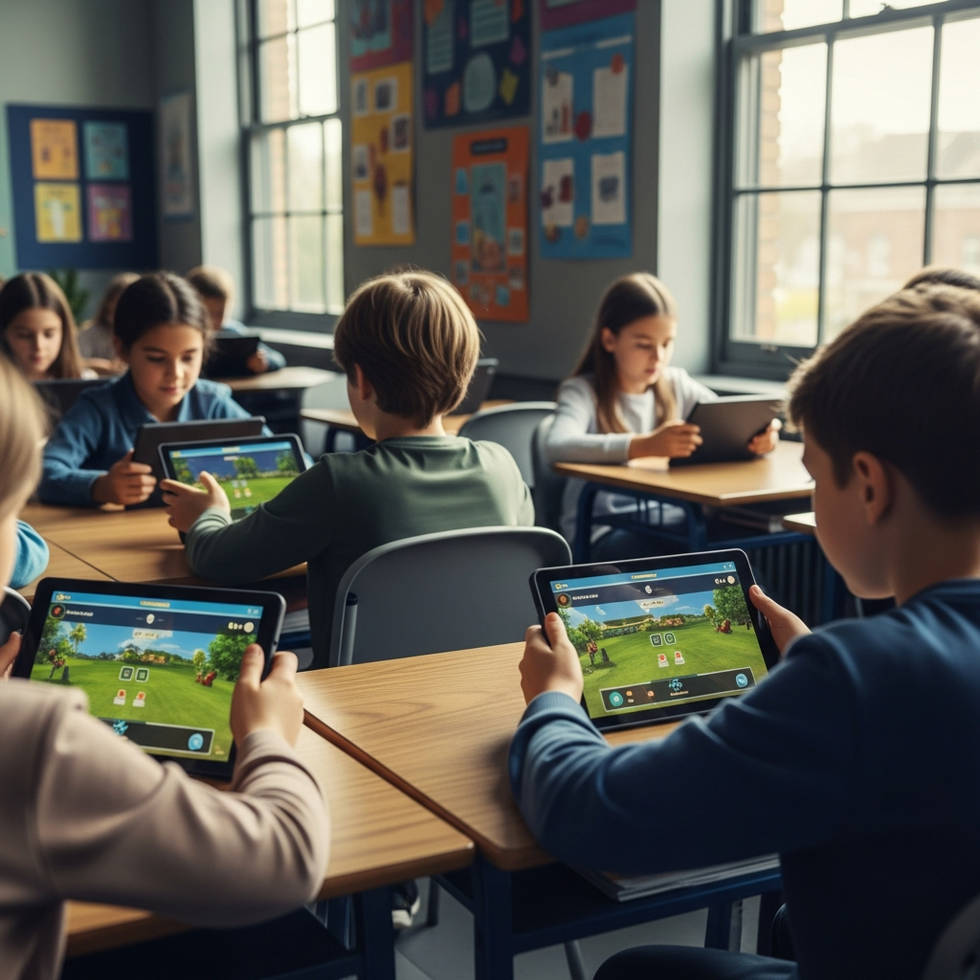
Looking at recent findings, it's clear parents and teachers need to rethink old views on kids and video games. Gaming isn’t just fun or too much sitting - evidence suggests certain games actually support learning. Titles like Minecraft, Portal, and Brain Age stand out for challenging minds rather than draining attention. Choosing these wisely matters most when guiding young players. A close eye on what they play can make a real difference in cognitive growth. Finding ways matters most when teachers bring in playful learning activities. Learning spaces become more engaging when fun mixes with purpose. Staying mindful shapes how kids enjoy time without losing focus on real-life needs. Spending hours outdoors or talking with others balances screen habits well. Old-style school routines still support growth even if they seem basic now. Support for making better play materials may grow if leaders back such efforts. New classroom aids could take shape where thought and play meet naturally. What stands out is how staying curious and flexible really matters - digital play, handled well, helps grow smart thinking in young minds.