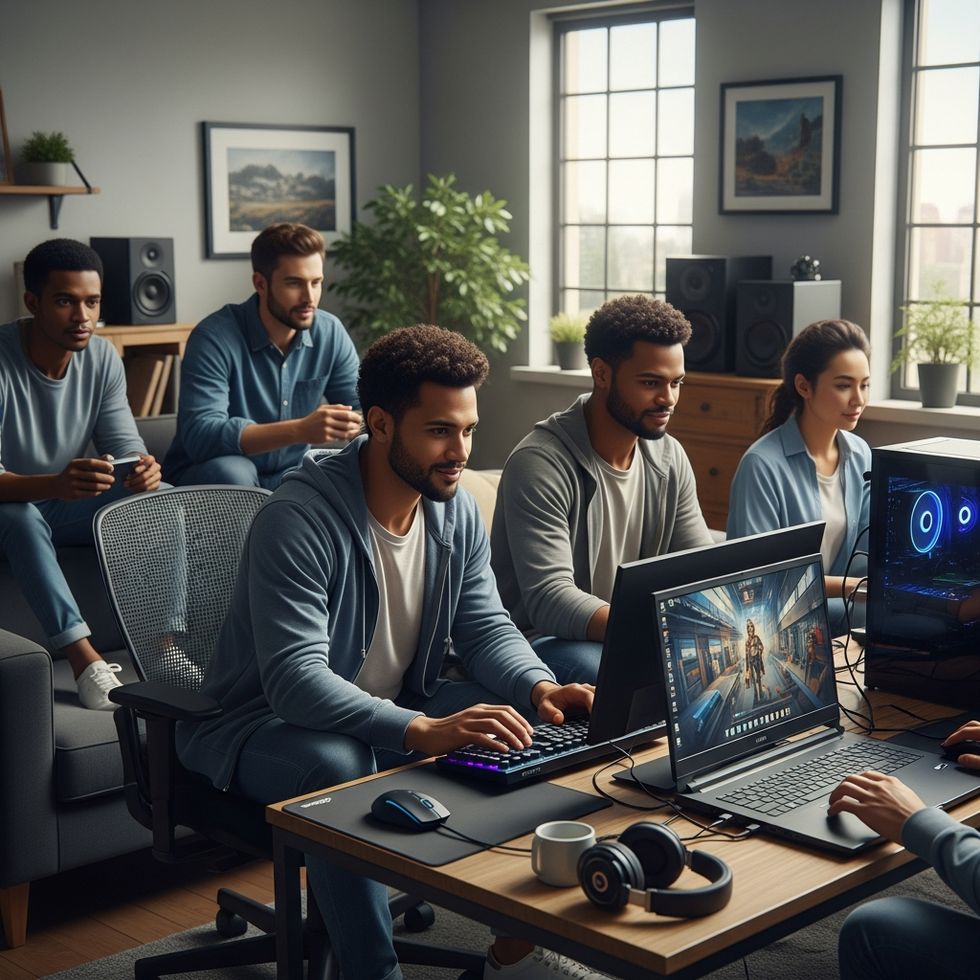
Open Gaming Collective Sets Ambitious Goals to Boost Linux Gaming Experience

The Formation of the Open Gaming Collective and Its Mission
Gaming on Linux often runs into trouble - not enough devices get proper support, while apps spread out in confusing ways, making it hard to use. Seeing these problems, key figures from the scene - including developers and fans - have formed something new: the Open Gaming Collective. This effort brings together big names like ASUS’s open-source team, alongside companies such as Universal Blue / Bazzite, ChimeraOS, Nobara, and fresh ventures still growing. Each member pushes toward one main outcome: playing games on Linux without hiccups, reaching more people, and building trust through steady results. At its center sits a push for consistent, reliable software pieces - this foundation supports early work, builds connections, while enhancements ripple outward, helping more than just one effort at a time. Driven by these ideas, the project tackles persistent hurdles people still meet trying to play contemporary titles under Linux, possibly shifting momentum toward wider recognition and real involvement.

Shared Foundations and Upstream Development Principles
What stands out in the Open Gaming Collective’s method isn’t flashy - it’s about changing things where they matter most. Instead of copying patches elsewhere, teams add updates straight into Linux’s heart, plus graphics tools and supporting frameworks. These adjustments then flow across every distro, building shared foundations. Take the idea for an OGC Kernel: not just a tweak but a shift designed specifically for smoother gaming runs. By feeding fixes and upgrades here, not there, consistency grows - and so does cooperation behind the scenes. A fresh branch, born from a modified version of Gamescope - known for smoothing window interactions - is set to grow extra tools for handling additional hardware. Newer graphics chips and external gadgets will get stronger backing through this route. Instead of adding features alone, the team focuses on feeding changes back into main project branches. Their aim? Fewer disconnected paths, which means fixes spread faster across users. With less clutter between updates, using these systems may feel lighter, more fluid. For players on Linux, the path into gaming worlds could quietly become easier, without grand announcements.
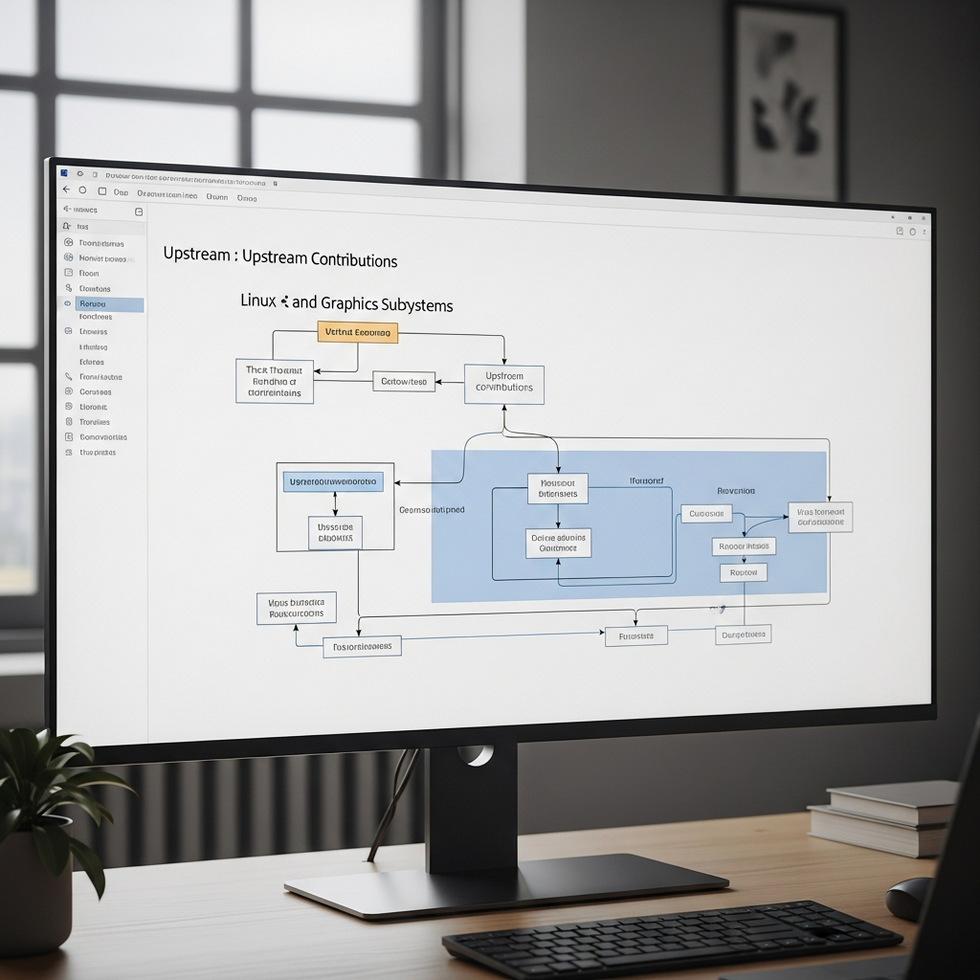
Addressing Hardware Compatibility and Software Fragmentation
Hardware trouble still pops up often in Linux gaming zones, particularly with powerful video chips made by NVIDIA and AMD. Because the group wants common ground between setups, fixing such problems takes center stage. Take the updated graphics gear - better backing it means using joint kernel bits and weaving Mesa, the free graphics system, more tightly into systems. Even though AMD and Intel usually have simpler driver setups, getting NVIDIA’s built-in driver to work can still cause trouble. Focusing on improving drivers within mainline projects - like what the OGC does - helps avoid messy setup steps or fixes. With a common hardware layer coming together, using controllers and sensors should become smoother across different systems. This kind of coordination tends to make Linux gaming run more steadily, without sudden hiccups. Hardware lasts longer when it adapts well to updates, making it stay relevant for longer.
The Potential Impact on Gaming Performance and User Experience
What drives the Open Gaming Collective isn’t only about making sure software works on Linux. Its real target? Boosting how well games run there. Through shared effort - adjusting kernel settings, improving graphics drivers, fine-tuning how things are laid together in real time - the group sees an era where Linux matches, maybe edges out Windows when measuring play speed. Goals include tighter responses, smoother motion, fewer drops in speed. Features such as light tracing or smart image processing gain better support along the way. When players run into problems like drivers freezing or stuttering, better stability means smoother fun. Over time, Linux grows stronger, making it easier for game makers to bring their work directly to our platform. More choices might come that way, drawing attention where it matters most. If performance keeps rising, curious users will notice first. That kind of progress pulls bigger groups in, nudging tech firms to build better support across new devices.
Community and Industry Reactions to the Collective's Initiative
Excitement spread fast when news about the Open Gaming Collective reached gamers using Linux and wider open-source circles. For some, it marks long-awaited recognition of Linux as a real option for playing games. Well-known voices in the scene believe shared efforts, common frameworks, and coordinated work at the core level might spark fresh movement - possibly making things easier to begin with, more dependable over time, while pulling in more titles along the way. Folks in the field say chip makers might gain when drivers work together across systems, cutting expenses and easing workloads. Even though certain doubters still question how fast things move, the mood shows most want a smoother, less tangled Linux setup for playtime. This shift could quietly shake up who plays more - Windows fans or those leaning on Linux.