The Hidden Power of Camouflage Tactics Many Players Fail to Recognize
Most seasoned Call of Duty players focus heavily on weapon loadouts, map control, and reflexes, yet few truly tap into the nuanced power of camouflage tactics that could redefine their gameplay. The truth is, traditional strategies often leave a significant edge untapped—one rooted in concealment and environment exploitation. Even among competitive players, there's a common misconception that camo is only about cosmetic appeal or quick bonus XP, dismissing its potential as a strategic weapon. But recent insights from pro-level matches and insider testing reveal that mastering overlooked camo strategies can turn mundane engagements into decisive victories. For instance, using certain environmental patterns or terrain features to blend seamlessly can foil opponents' awareness, enabling surprise attacks or defensive holds. This often-neglected facet is particularly critical in high-stakes esports battles, where every advantage counts. If you're serious about elevating your game, exploring the tactical depths of camo can spell the difference between a mediocre performance and a dominant one. The key is understanding that camouflage isn't just a visual trick but a strategic layer affecting enemy perception and reaction times. Learning to deploy lesser-known camo techniques consistently and effectively can give you the element of surprise—one of the most underrated and least understood assets in modern Call of Duty combat.

Debunking Myths About Camo Effectiveness in Competitive Play
There's a widespread myth that camouflage in Call of Duty is merely cosmetic, intended mainly for style points or superficial aesthetics. This misconception leads many players to ignore the tactical implications, wrongly assuming it has limited impact beyond visual flair. However, evidence from competitive tournaments and dominant streamers shows that strategic camo usage significantly influences map control and enemy decision-making. When players understand the subtle art of environmental blending—like matching textures, utilizing shadowed areas, or combining camo with weather effects—they can remain concealed longer, bait opponents into predictable maneuvers, or instantly gain positional advantage. Debunking this myth underscores that effective camo application isn't about random skin choices but involves deliberate placement and timing, thus transforming it into a stealth tool with real battlefield implications. Recognizing camo's true power fosters a more nuanced approach to positioning, route planning, and engagement tactics, which can give you an edge even over highly skilled adversaries.

A Contrarian Approach: Why Chase the Latest Camo Skins When Conventional Camouflage Tactics Offer More Power
In an era dominated by flashy, exclusive camo skins and limited-edition weapon patterns, many players get caught up in collecting eye-catching designs rather than honing their traditional camouflage techniques. The belief that new skins inherently improve stealth or strategy is a fallacy—many seasoned players find that the fundamental tactics of environmental blending and terrain exploitation outperform mere cosmetic upgrades. The reality is, the strategic use of environmental features, such as rocky outcroppings, overgrown foliage, or urban debris, can provide more reliable concealment than a shiny, rare skin that draws attention. This contrarian perspective suggests that strategic camouflage, rooted in understanding map geography and enemy behavior, often leads to more consistent success than chasing after more ostentatious skins. By focusing on how to use terrain and natural cover effectively, players can develop a much deeper, more adaptable stealth game that stands resilient regardless of the aesthetic flair favorites of the community.
Unlocking Insider Secrets to Elevate Your Camouflage Strategy in Every Match
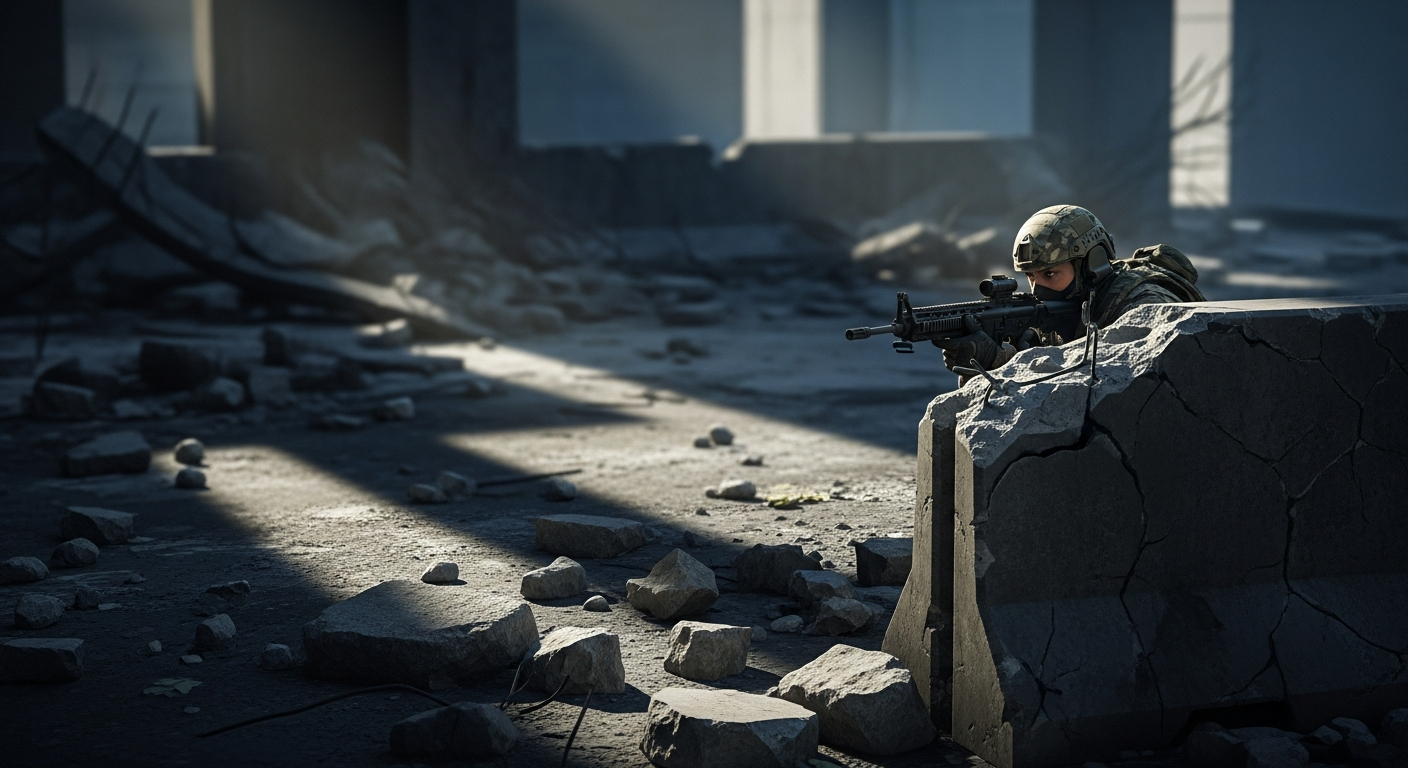
The real edge in camo strategy lies in understanding map-specific hiding spots, movement timing, and cover selection that most casual players overlook. Insider knowledge, gained through hours of experience or community sharing, reveals that mapping out key concealment zones—like shadowed alleyways, foliage-rich corners, or low-traffic routes—can dramatically improve your chance of survival and success. Incorporating these lesser-known tactics means planning your route before engagement and adapting your camo choices dynamically based on the environment. For example, using darker green patterns in dense, leafy areas or greyish tones in urban ruins allows you to melt into the surroundings seamlessly. Awareness of seasonal changes and weather effects further refines these tactics, making your stealth unpredictable and elusive to enemies. Access to these concealed strategies transforms you from an average shooter into an invisible menace, quietly controlling the battlefield without firing a shot or revealing your position prematurely.

Conclusion How Prioritizing Camouflage Techniques Can Significantly Shift Your Competitive Edge
While many players dedicate their time to weapon mastery or movement skills, overlooking the strategic potential of camouflage can be a costly mistake. Embracing the lesser-known camo tactics—focused on terrain exploitation, environmental blending, and timing—can offer a sustainable advantage that scales from casual play to competitive esports. These tactics require patience, observation, and a willingness to adapt but reward players with higher survival rates, surprise kills, and control over contested zones. By integrating these strategies into your regular gameplay, you shift the focus from reactive firefighting to proactive stealth domination, creating a mental edge over opponents who rely solely on gunskill. Remember, successful camouflage isn't about randomness but deliberate, calculated concealment that confuses enemies and disrupts their tactical flow. Exploring deeper into the art of camo helps you unlock a new level of strategic excellence—one that is accessible, powerful, and, most importantly, often overlooked.
Camouflage is crucial because it allows players to blend into surroundings, reducing detection and enabling surprise attacks or safe retreats, significantly impacting game outcomes in both casual and competitive settings.
Study map layouts, observe environmental patterns, and adapt your camo to match terrain like shadows, foliage, or urban debris. Practice regularly and learn from experienced players' tactics to refine your skills.
Strategic camo provides the greatest advantage during stealth-focused phases, such as flanking routes, holding tight angles, or when enemies are distracted, enabling you to strike unseen or reposition undetected.