Seasonal Updates in Gaming and Esports Transform Player Experiences and Industry Dynamics

The Significance of Seasonal Updates in Modern Gaming
Fresh twists appear each season, quietly steering how we engage with games throughout twelve months. Rather than one-time drops, updates flow like ripples - timed to match winter breaks, summer festivals, or quiet launches between holidays. These rhythms breathe new energy into play spaces while building expectation, pulling fans back in when changes loom. Life within these worlds hums louder because of it. Take games like Fortnite or Apex Legends - they show what happens when seasons shift things around. Fresh skins appear, alongside fresh challenges and modes, plus sometimes a whole new map too. What keeps people coming back isn’t just excitement - it’s the knowing that something different will show up each cycle. Updates arrive that make old routines feel fresh again. People check in not out of habit but curiosity. Failure here means fewer players returning; success means more without forcing it. The weight of execution rests entirely on how well it fits the moment it arrives. When games shift toward constant updates, short-term refreshes matter more than ever - they spark energy among fans, hold attention through off-seasons, and help survival in crowded markets where attention fades fast.

Evolution of Content Strategies in Esports Seasons
Nowhere is change more evident than in how esports groups manage time. Instead of steady streams, there are breaks between big events. New ways to play pop up every few months, shaking things up. Viewers pay attention when surprises arrive about lineups or game changes. A fresh chapter begins each round, pulling fans in without force. Take the League of Legends global championship - it builds up to one big event. Every season unfolds differently, carrying fresh settings and arcs. Nowhere is the rhythm of a season shaped more by strategy than by how stories unfold through promotion and local ties. Schedules shift under pressure from fresh partnerships, limited-edition gear, or bonus challenges inside games - each pulling attention toward fairness or spectacle. Behind screens now, supporters weave through updates on various digital stages, caught up not just by outcome but by ongoing drama across leagues. In the end, how esports seasons are organized balances fight, fun, and profit - so fans stay tuned and competitors keep playing, fueling steady upward momentum for the scene.
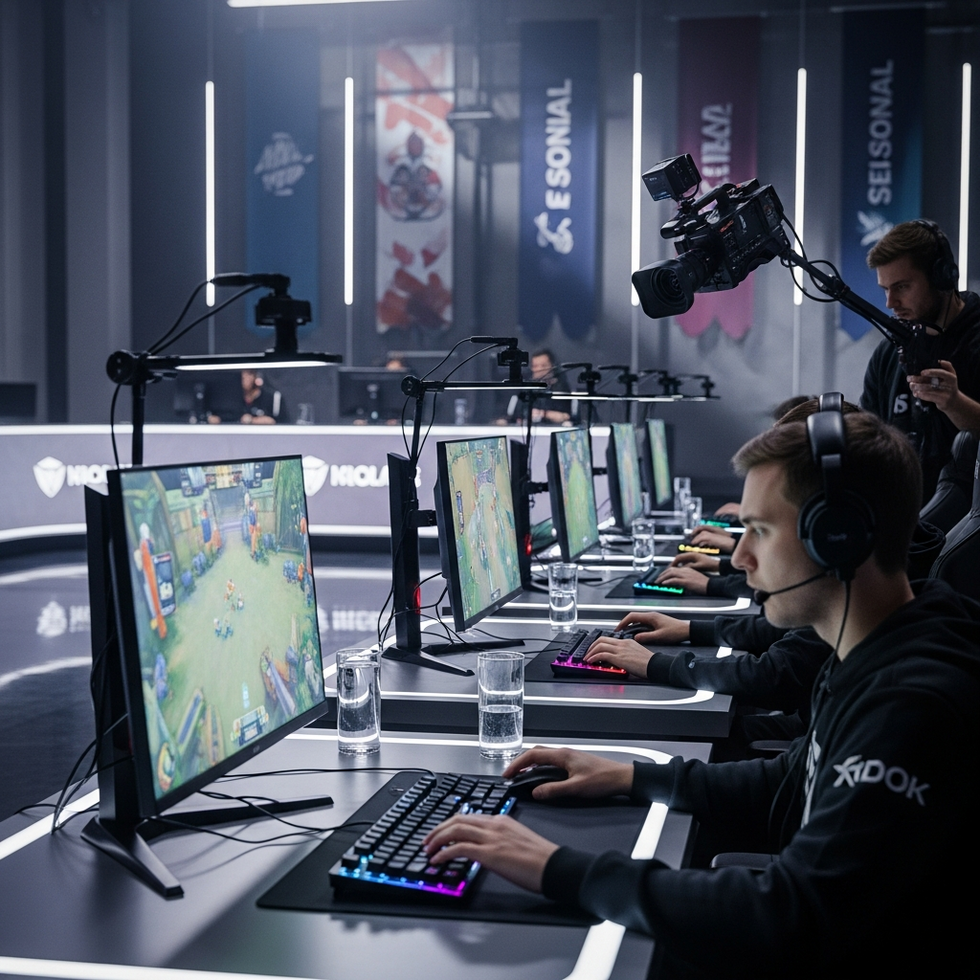
Player Engagement and Community Building Through Seasonal Content
Seasonal tweaks often pull gamers in, building tighter ties within the player base. Limited events - special items, time-sensitive quests - spark energy, a common goal among those who play. Because new things appear briefly, people lean in, planning team runs or crafting videos around the change. Moments that vanish fast fuel talk, teamwork, even quiet rivalry across platforms. Take Destiny 2 or GTA Online - seasonal twists spark talk, drawings, even fierce matches across servers. With every shift in time, fans wait eagerly for what comes next, hooked on updates they expect. Instead of standing still, games keep moving through small but steady changes. When members help shape updates, involvement grows; involvement shows up in forums, Discord, even custom cosplay. In the end, fresh seasons help shift everyday gamers into people deeply attached to the game - not just as something to play, but as something always changing, alive in their minds like a world growing beyond its original form. This slow pull draws them closer to the makers, turning updates into moments they wait for, remember, return for.

Looking Ahead The Future of Seasonal Content in Gaming and Esports
When gaming worlds keep shifting, moments tied to time might matter just as much. With better tools now shaping stories through smart algorithms, updates feel sharper than before. What players enjoy most could be guessed more closely when systems listen closely. Meanwhile, stepping into virtual spaces using goggles or glasses changes what feels possible each cycle. These jumps don’t only reshape gameplay - they reshape how fans connect during competitive matches. As cross-platform play and cloud gaming grow, getting into seasonal content could become easier for everyone using different devices. More people will join without major issues when updates roll out. Some analysts think these periods might link closely to real life happenings - like traditions, holidays, or big athletic events - shaping livelier, deeper game worlds. Still, those building games face a challenge: staying creative while keeping what fans care about. Updates should feel substantial, not just skin deep. What lies ahead for seasonal games? A world where play feels tailored to each person, rich in depth, yet still woven together across experiences. This shift keeps drawing players in, building lively groups from different corners of the globe.