Seasonal Updates Transform Gaming and Esports Experiences Across the Year
The Strategic Role of Seasonal Updates in Modern Gaming Ecosystems
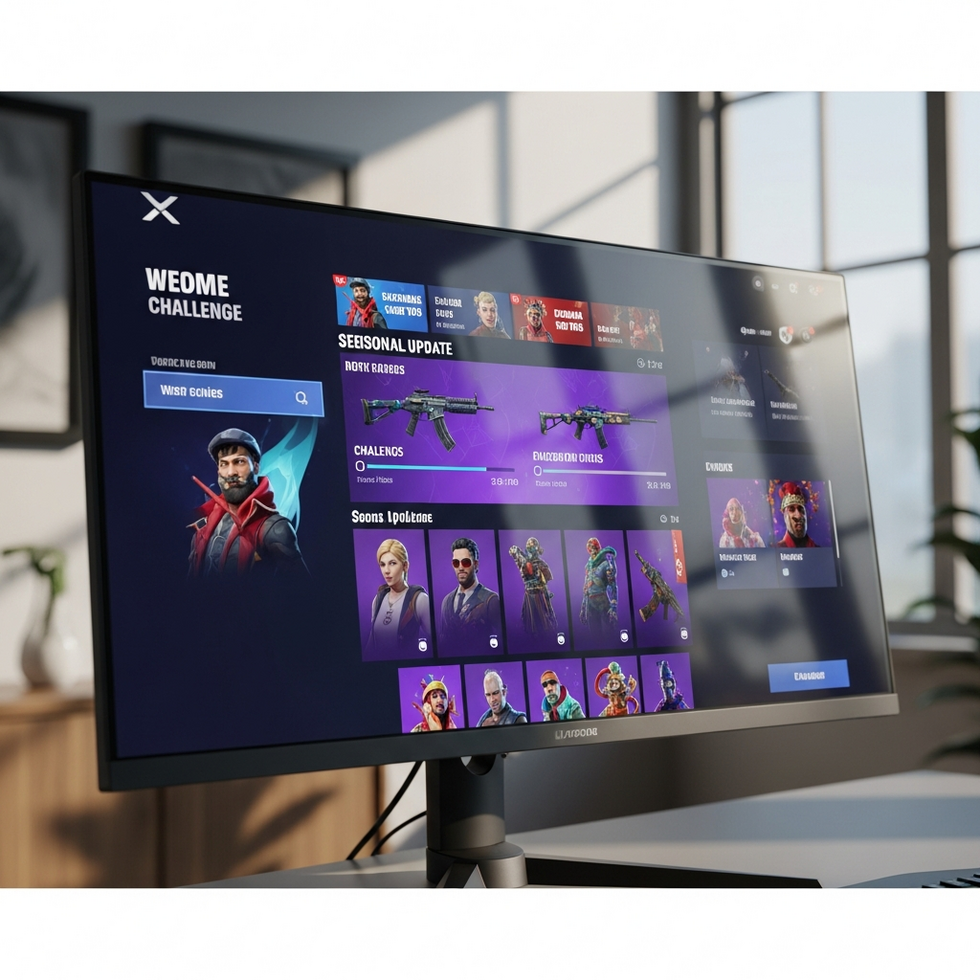
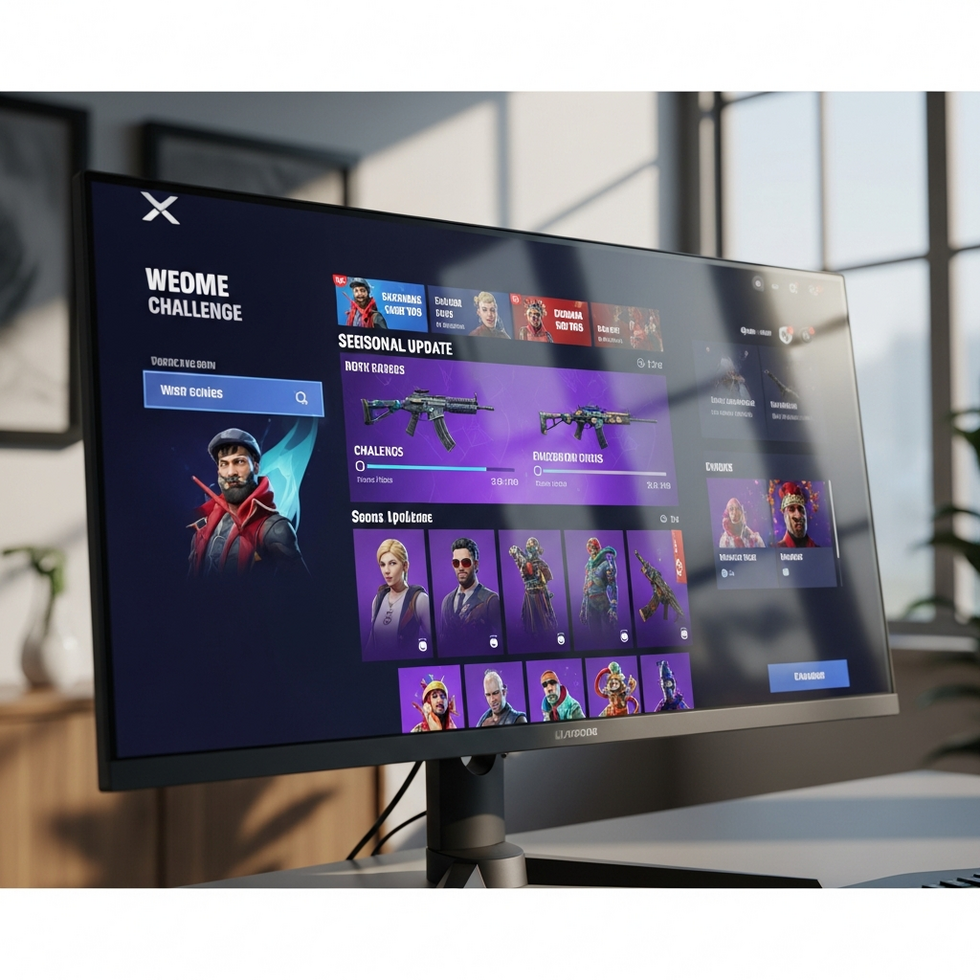
When winter rolls around, game companies usually drop new stuff. Instead of just repeating old stuff, they toss in fresh skins, guns, or missions every few months. These boosts kick things up during holidays or when school breaks. People start checking their screens more often because something new shows up each week. It keeps players hooked longer than sitting still would. Behind the scenes, teams gain space to test ideas without rushing full releases. Fans begin buzzing early about what might arrive next quarter. A rhythm forms - not chaos - and that rhythm helps hold attention through year after year. Take Fortnite, Apex Legends, or even Call of Duty - these titles show what seasonal boosts can do for keeping players involved and bringing in revenue. Instead of standing still, they evolve each cycle, pulling fans back through fresh content tied to timed rotations. That rhythm isn’t just clever design - it mirrors how many modern games now operate: not as standalone experiences but as always-on ecosystems. Feedback flows in, insights guide changes, and the world shifts gradually, holding attention long past its first release.
How Seasonal Changes Enhance Competitive Play and Esports Spectacle
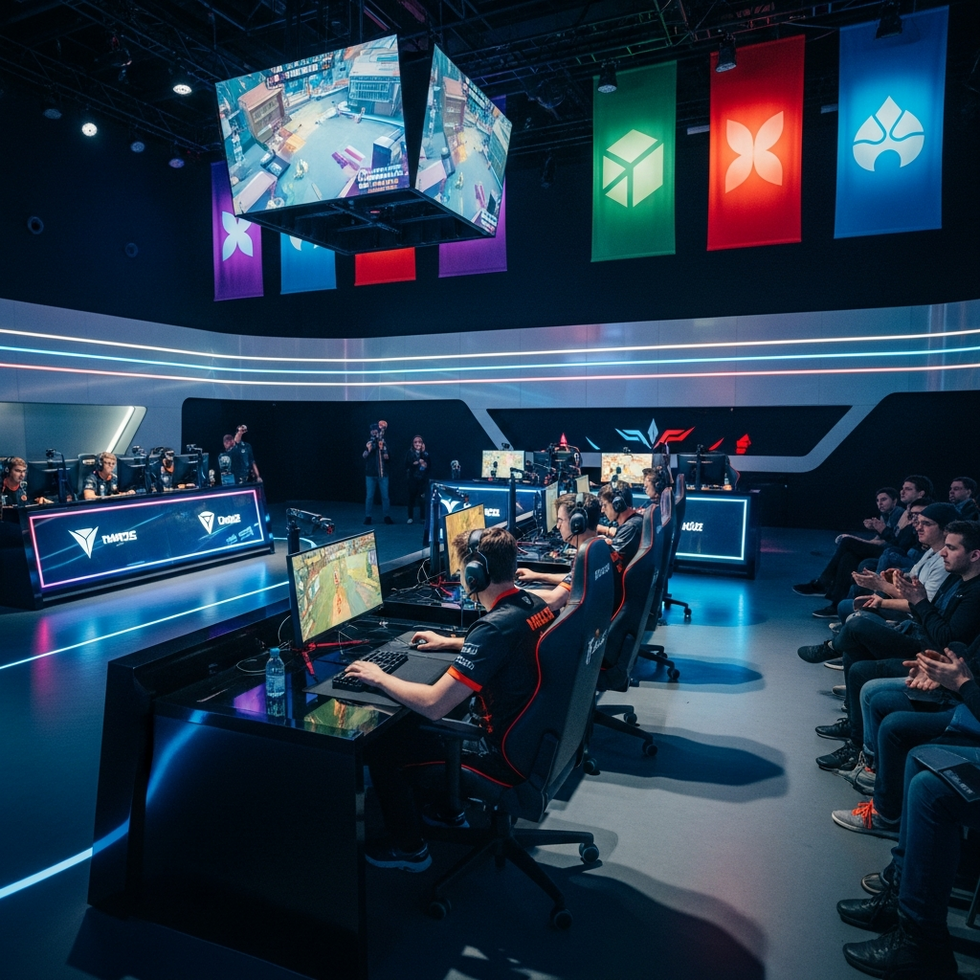
Fresh twists every few months don’t just matter to casual fans - they quietly steer how serious gamers play and which esports events grab attention. Imagine League of Legends shifting to a new battleground; that spark spreads through Valorant, Overwatch too, pulling competitors out of comfort zones. Seasonal shakes up don’t stay behind the scenes - they reshape how teams move, shoot, plan mid-game. Skin drops tied to time changes add visual flair, but more notably, they nudge player mindsets just enough to reset old routines. Outcomes at tournament stages tend to bend slightly when updates hit, mainly because balance shifts force quick resets in teamplay. When summer meets winter, big esports events often overlap with updates in popular games - this mix pulls viewers in with new material plus elevated pressure. At those moments, changes in how matches are streamed, such as unique in-game happenings or fan-driven themed setups, spark attention while drawing fans deeper into the scene. Together, these factors keep the sport moving, unpredictable, and constantly reshaped by scheduled refreshes.
Designing and Implementing Effective Seasonal Content for Longevity and Engagement
Seasonal refreshs need more than ideas - they live through skill, imagination, because people care. What happens first? Teams look at how players play, spotting what sticks around holiday themes or game styles. That knowledge shapes what comes next, making updates feel fresh without surprise. A fresh look begins with art, narratives, and game styles shaped around each season's mood - think dark nights in October or snowy scenes in January. When updates roll out, careful checks come first, making sure everything runs smoothly across shared play sessions. What keeps players coming back might be short-term missions that spark rivalry, honors or system-altering perks tied to performance, or team-based challenges where ranking matters or friendships grow. What stands out is how talking openly helps - game makers often turn to platforms like Twitter, updates posted online, or alerts inside the game to build excitement around what comes next while making sure fans stay aware. This back-and-forth lifts both involvement and enjoyment levels.