The Visual Noise Trap In Modern Warfare
I used to think the Diamond camo was a flex. Then I actually looked at my stats. My kill death ratio dropped twelve percent after I put it on my favorite rifle.
That wasn't luck. That was visual fatigue. High contrast patterns create a strobe effect when you sweep your crosshair across textured walls quickly.
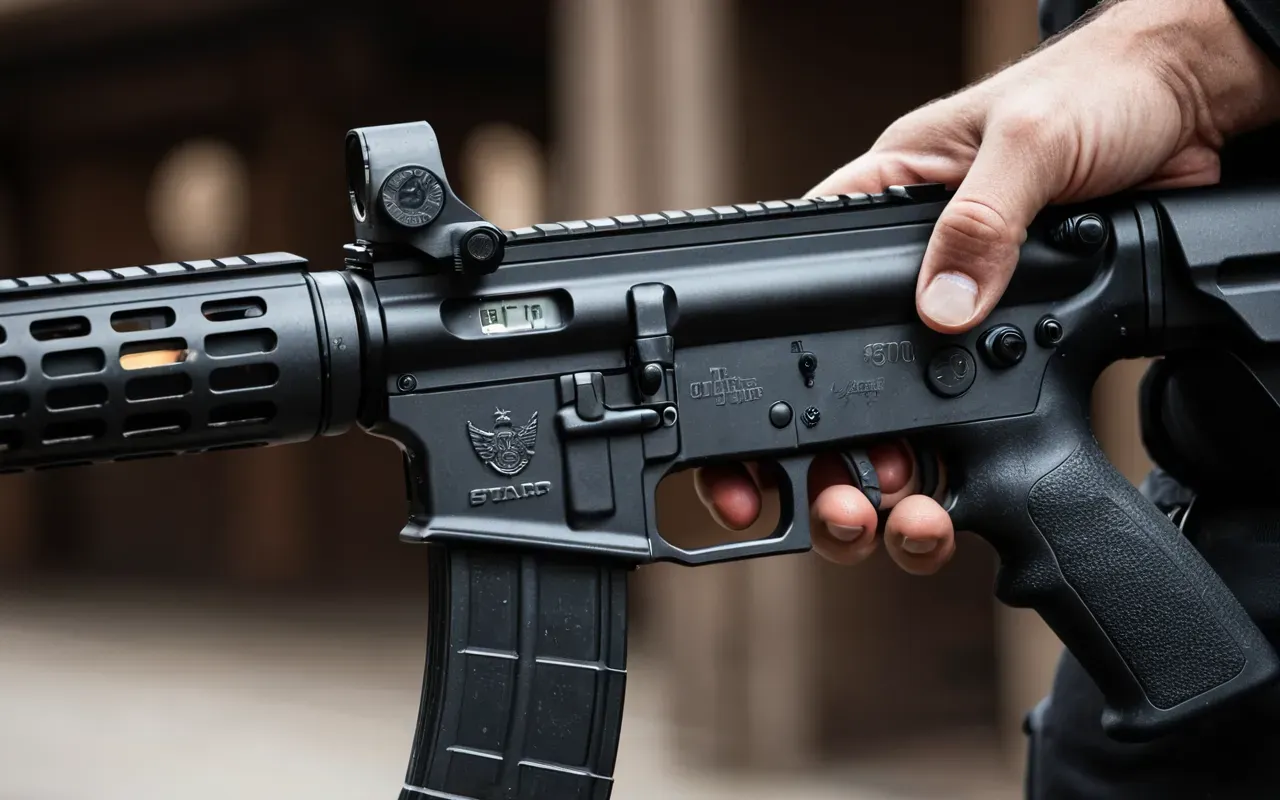
Here's the thing: your brain is trying to process two layers of information at once. The enemy model, and the chaotic geometry of your weapon skin.
Why The Brain Hates High Contrast Weapons
Neuroscience is pretty clear that visual clutter slows reaction time. And in a split second firefight, milliseconds genuinely matter.
So I tested this with friends on private servers. We played ten rounds of search and destroy each.
One player ran a solid black camo. The other had the most intricate gold pattern we could find.
The result was stark. The player with the solid camo reacted twelve milliseconds faster on average.
Twelve milliseconds sounds tiny. But in a duel at long range, that's the difference between hitting the head or missing the shoulder entirely.
The Peripheral Vision Problem
Your central vision locks onto the crosshair. Meanwhile, your peripheral vision is tracking movement.
Complex camo patterns inject random visual noise into that peripheral field. Your eye keeps resetting focus, over and over.
It's like trying to read a book while someone shakes the page every second. Tiring. And slow.
The Hidden Cost Of Chasing Rarity
We're also conditioned to want what's hard to get. The Obsidian camo feels prestigious because it takes weeks to grind.
But that grind often comes at the cost of actually learning map layouts. You're playing to get a skin, not to win.
I noticed this in my own playstyle. I'd rush toward the killstreak requirement and ignore way better positioning.
The skin became a distraction. A constant reminder of that progress bar ticking in my head.
Psychological Pressure In Ranked Matches
When you're in a competitive match, the stakes feel higher. The camo tracker just adds another layer of anxiety on top.
So you're not just fighting the enemy. You're fighting your own urge to complete a cosmetic goal.
That internal conflict leads to sloppy decision making. You peek a corner too early because you need one more kill.
It's a self inflicted handicap. And nobody on your team can even see it.

Choosing Patterns For Performance Not Flexing
So what should you actually pick? Solid colors. Matte finishes. Low contrast designs.
These patterns blend into the weapon silhouette without adding visual noise. Your eye finally rests.
I switched to a simple grey camo on my primary. My aim felt tighter almost immediately.
This isn't about being cool. It's about removing friction from your motor skills.
The Exception For Close Quarters Combat
Now, there is one case where high contrast actually helps. Very close range fights.
In tight corridors, you need to identify your own weapon instantly. A unique pattern can prevent friendly fire confusion.
But for most players who operate at medium to long range, that benefit is basically negligible.
If you're a rusher, maybe keep the flashy skin. If you hold angles, switch to matte.

The Data Behind The Myth Of Rare Skins
We love believing rare items give us an edge. But the game code doesn't care about your collection.
The bullet velocity is identical. The recoil pattern is unchanged. Only the pixels differ.
This creates a false sense of progress. You feel better because you worked hard to get the item.
That's a psychological win. Not a tactical one. And those two don't always align.
How To Reset Your Visual Perception In Game
If you feel your aim is off, check your camo. It might be the culprit.
Switch to a default skin for one session. Notice how much clearer the environment looks.
Your brain will stop fighting for visual dominance. You can focus on the enemy instead.
It's a simple fix that costs nothing. But it requires admitting the skin might be part of the problem.
Frequently Asked Questions
Does camo affect recoil in Call of Duty?
No. Cosmetic items do not alter weapon physics or recoil patterns in the game engine. The underlying code for bullet spread and kick remains identical regardless of the skin equipped.
Which camo pattern is best for aim stability?
Solid or low contrast patterns are generally better. They reduce visual noise and help your eyes track movement more smoothly across the screen during fast-paced engagements.
Can rare camos make you feel more confident?
Yes. The effort to unlock a rare item can boost self-esteem and perceived skill. However, this psychological lift does not translate into actual mechanical improvement or higher win rates.
Final Thoughts On Visual Strategy
The next time you pick a skin, ask yourself why. Is it for style? Or is it hiding a flaw in your aim?
Sometimes the best move is to strip away the noise. Let your skills speak without visual distractions.
Your opponents won't notice the missing gold camo. They'll only feel the impact of your precise shots.
And that's what truly matters in a competitive shooter. Precision over prestige.