Veteran Game Designer Forecasts Transformative Impact of AI on Gaming Industry
A Veteran Designer Reflects on The Current State and The Future of Gaming
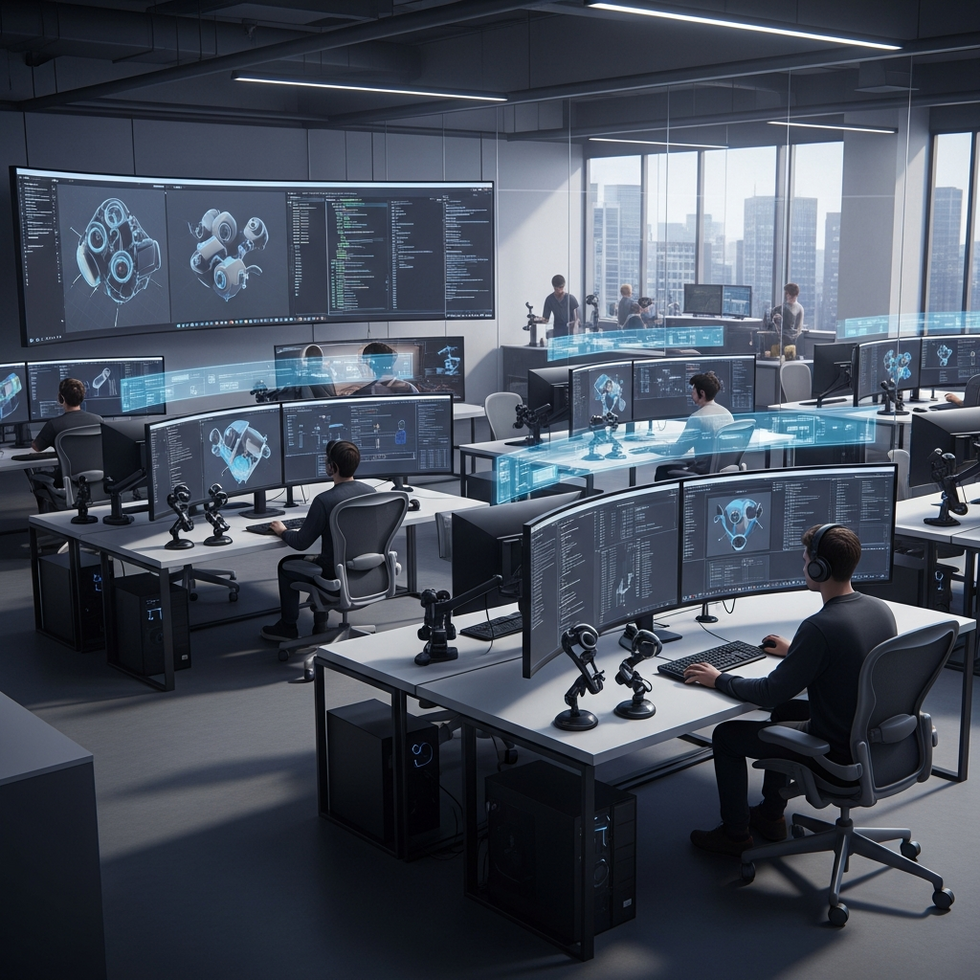
A long-time game maker shared thoughts in a thoughtful interview, pulling back the curtain on changes sweeping through the field due to fast-moving tech shifts. Not just about flashiness anymore, this veteran points out that old-school game making leaned deeply on personal inspiration and careful hand-built design. Lately though, leaps in artificial intelligence have started reshaping nearly all parts of the work - suddenly. Imagine levels built on the fly or tales that shift and adapt as you play; such tools are now quietly reshaping what games can be. Personalization, depth, surprise - these pieces will weave into experiences in ways few predict just yet. Right now, things are shifting fast - the piece shows where we stand while pointing ahead at possible paths. With AI stepping in, the very act of designing and enjoying games might look different by the 2030s.
Transformative Role of AI in Content Creation and Player Engagement
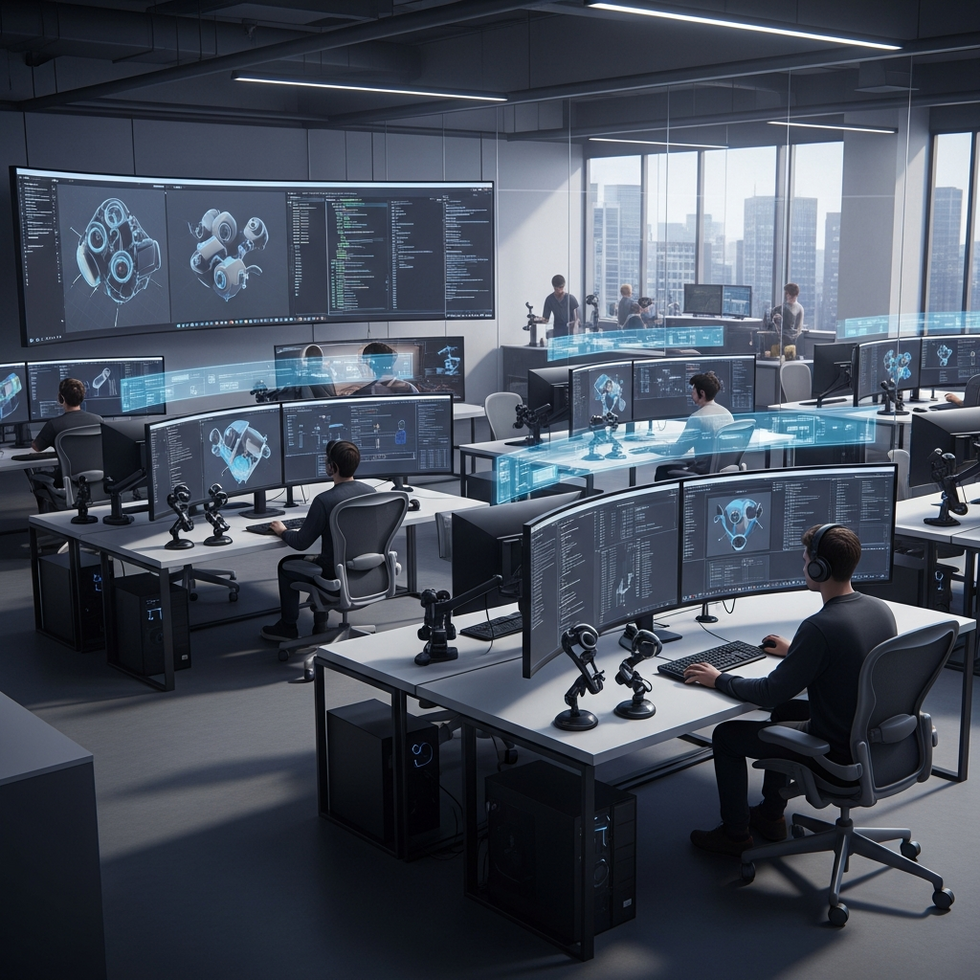
What drives this transformation isn’t only smarter software - it’s seeing machine learning act less like a helper, more like a co-creator. An older creator in the field notes how tools powered by artificial intelligence now make vast, detailed environments without draining teams or taking ages. These shifting landscapes, mission paths, and character reactions form on the fly, shaped by user decisions each time through. Every playthrough feels different, not because of perfect design but because algorithms keep rewriting the rules. One thing it does is help build game worlds where each player feels seen, because choices reflect what they like. Because machines now learn faster, they might guess what someone does next before it happens. That shift means storylines no longer stick to one path - they bend, grow, respond. Not just code running on hardware, but something closer to shared dreams shaped by play.
The Future of AI and Its Impact on Game Design and Development Practices
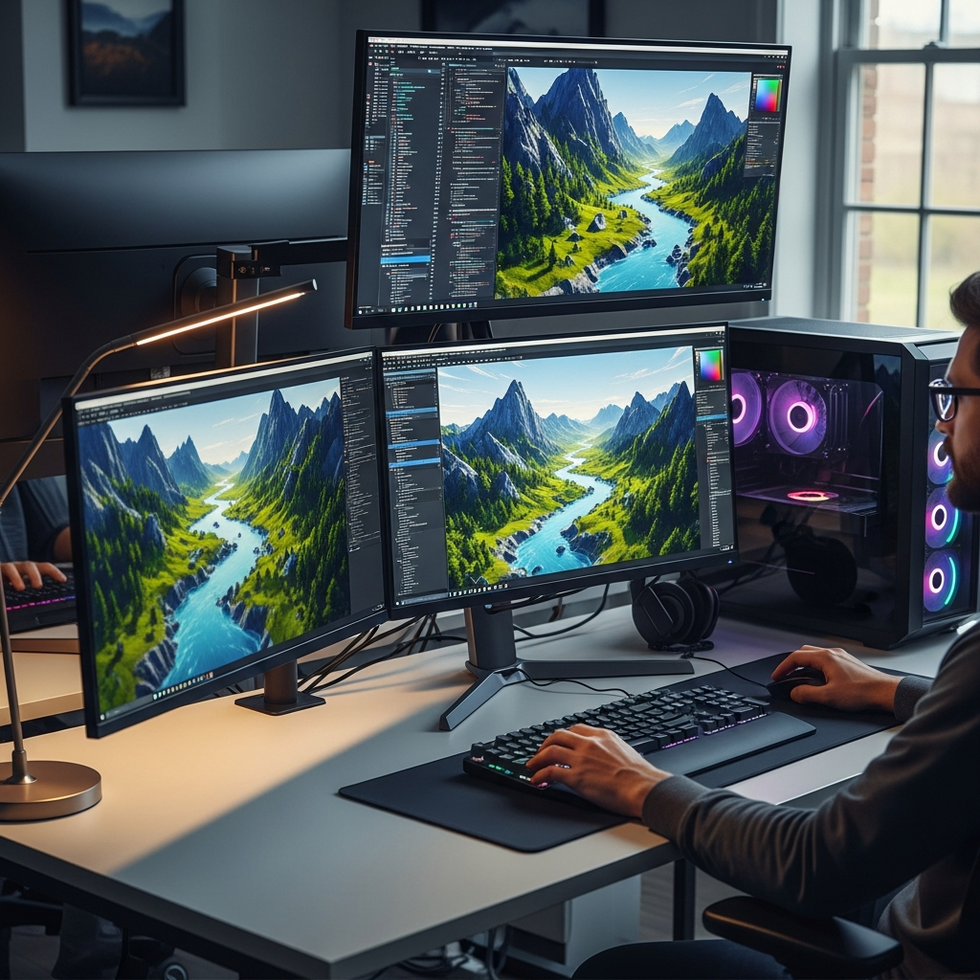
Down the road, a seasoned designer sees machines playing a key role in building games. Instead of doing everything by hand, artificial intelligence might handle tasks like sketching ideas or shaping characters. While programmers tackle code and hunt errors, smart systems could speed up work without losing originality. Picture dialogue between non-playable characters feeling smoother, shaped by language tools now helping talkative bots. That kind of progress might let writers build richer tales just by typing what feels right. Still, AI might spread game making to more people, opening paths for solo creators and tiny teams to make strong games without huge costs. Though chances look good, the designer points out that fairness and real human judgment need to stay part of how games are told.

Challenges and Ethical Considerations in Integrating AI into Gaming
Even though things look pretty bright, a long-time game designer sees some hurdles too. Worry number one? Machines could quietly replace what makes games feel alive, if creativity gets swapped for code. Then there's the weighty matter of who owns your info when playing online, whether smart tools learn unfair biases, and whether synthetic visuals should ever replace real artistry. Developers should openly share how AI is used, the designer believes. Guidelines need shaping now so AI does not get twisted for gain. Balance matters - keeping creative freedom alive while using smart systems. Inclusion cannot slip when new tools take hold. Gaming’s soul depends on choices made today. Moving forward, talks must keep happening across roles: builders, thinkers, gamers, leaders. These forces need mutual understanding, not separation.