The Six Thousand Player Problem No One Is Discussing
It was a Friday. You were mid-match. The screen froze. Then it cut to black.
Thousands of you felt that same jolt on September 11. Downdetector logged over 6,300 complaints by noon Pacific Time.
Most blamed the servers. That is the easy explanation. But I think we are missing the bigger picture here.
This was not just a glitch. It exposed a fragile backbone in how modern multiplayer games handle real-time data.

Why Your Progress Might Have Vanished In The Blink Of An Eye
Here is the thing. When a server drops during a match, your kill count does not just pause.
For many players grinding for rare camo patterns, those final moments matter. A single headshot could be the difference.
If the connection severes before the server writes that data to disk, it is gone. Forever.
I have seen players lose hours of effort in seconds because the backend could not keep up with frontend actions.
The Hidden Cost Of High-Frequency Multiplayer Sessions
Call of Duty is built for speed. Fast matches. Quick respawns. Constant action.
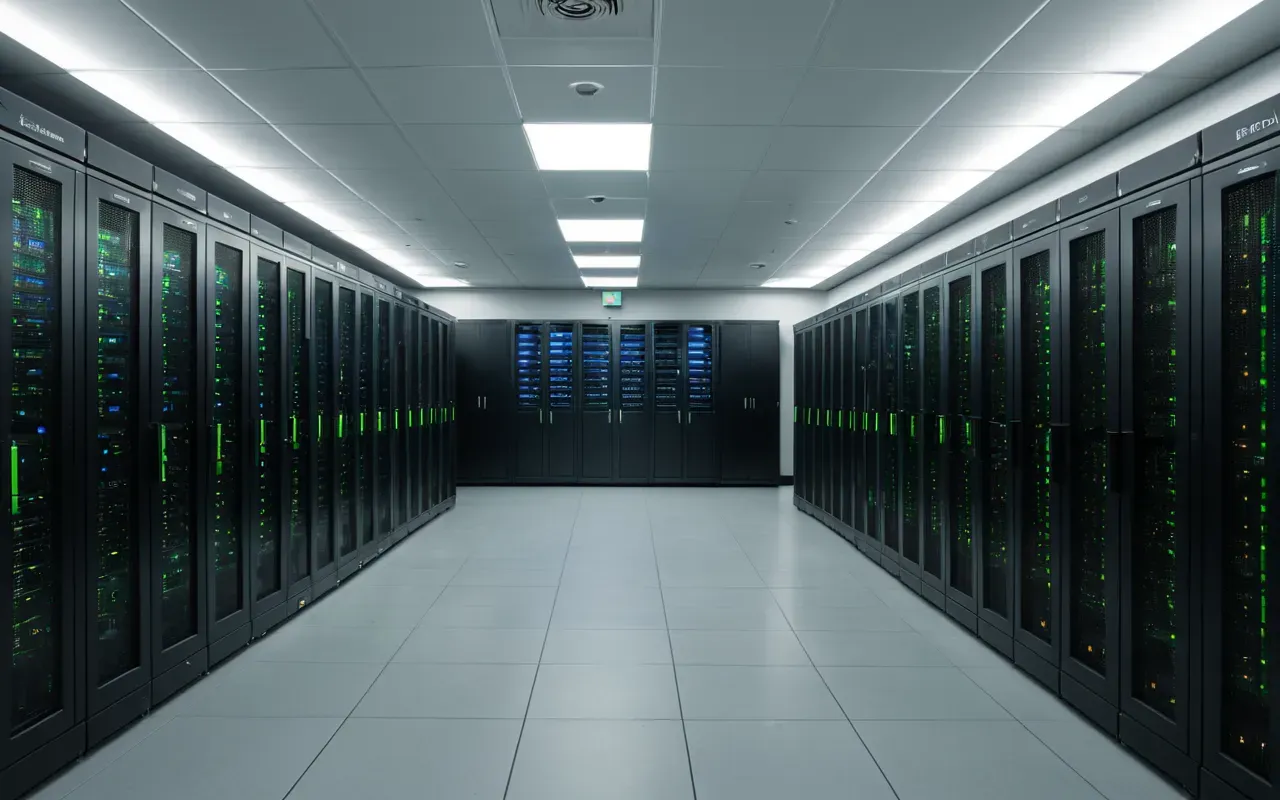
But that speed creates a massive load on the database layer. Every kill is a write request.
When thousands of players hit peak hours simultaneously, the system strains. This is not a bug; it is physics.
How This Outage Changes Your Approach To The Grind
You cannot control the servers. But you can control when you play them.
Avoiding peak evening hours might feel counterintuitive. But stability is worth more than speed.
If you are serious about completing your camo loadout, consider spreading out your sessions.
This reduces the chance that a sudden drop wipes out your current streak. It is about risk management.
What To Do If Your Connection Drops Mid-Match
First, do not panic. Check your local network before blaming Activision.
Restart your router. It sounds silly, but it clears cached DNS entries that might be clogging the pipe.
If the issue persists across multiple devices, it is likely a regional server problem. Wait it out.
The Broader Implication For Gamers In This Ecosystem
This outage is a wake-up call. It shows that convenience comes with hidden fragility.
As games become more integrated into daily life, these disruptions feel personal. They disrupt routines.
I believe we will see more players advocating for better transparency from developers.
We need to know when the servers are strained. We need to know why our progress is at risk.

Lessons From Similar Outages In Other Major Titles
We have seen this before. Fortnite had similar issues during major updates.
The common thread is scale. When a new feature launches or a season starts, traffic spikes.
Developers often struggle to predict these peaks. It is a constant balancing act.
How To Protect Your Account During Unstable Periods
Enable two-factor authentication. It adds a layer of security if you need to reset your password later.
Keep a manual log of your progress. It sounds archaic, but it gives you peace of mind.
If you are using a tracker app, make sure it syncs correctly. Double-check your recent matches.
You might be interested in how specific tools help manage this chaos. There are resources like this detailed review of progress tracking solutions that offer insights into stability features.
The Future Of Real-Time Gaming Infrastructure
Edge computing is the next frontier. Processing data closer to you reduces latency and load.
If implemented well, it could prevent many of these central server bottlenecks we see today.
Until then, we are at the mercy of centralized systems. Be mindful.