The Invisible Tax On Your Peripheral Vision
I used to keep a high-res Black Ops weapon skin right in the center of my monitor. Looked cool. Then I noticed my crosshair kept drifting off target during long sessions.
It wasn't bad aim. My muscle memory was fine. The problem was visual noise. A busy Call of duty camo wallpaper sits behind every game you play, pulling your eyes away from the action.
Think about how long you stare at that background during a loading screen or a pause. Your brain processes it constantly. That constant low-level processing drains cognitive bandwidth you need for tracking enemies.
This isn't about pixel perfect graphics. It's about how your visual system works under stress. When you're in a firefght, your peripheral vision handles movement detection while central vision tracks targets.
A loud wallpaper fights for attention with the game itself. Your brain has to constantly filter out that background pattern. This creates a subtle but real delay in reaction time.
Why Bright Patterns Break Focus Faster Than Dark Ones
Most people pick wallpapers based on aesthetics, not ergonomics. They pick a vibrant camo skin because it looks impressive in screenshots.
But bright colors against a dark game interface create high contrast fatigue. Your eyes work harder to tell the UI elements apart from the background noise behind them.
The Flicker Effect In Low Light Rooms
If you play in a dark room, the difference between your screen and wallpaper matters more. A bright Call of duty camo wallpaper acts like a secondary light source.
This forces your pupils to dilate and constrict rapidly as you shift focus. Over hours, that means eye strain and headaches that mimic bad aim.
Color Blindness And Pattern Confusion
Some camo skins use red and green tones that are indistinguishable to color blind players. This creates visual confusion even if you don't realize it.
The Psychology Of Visual Clutter In Competitive Play
Competitive players often switch to plain black or grey backgrounds before ranked matches. They know that less is more when precision matters.
A detailed Call of duty camo wallpaper adds unnecessary cognitive load. Every branch, every stripe in the pattern competes with enemy models for visual priority.
Your brain is like an attention filter. It can only process so much visual information at once without degrading performance.
When that filter gets clogged with background noise, your ability to spot flicks and track movement drops significantly within minutes of play.
I switched my wallpaper to a solid dark grey last month. My headshot percentage went up by two percent in the first week alone. The difference was real and measurable.
How To Choose A Wallpaper That Helps Instead Of Hurting
You don't have to give up aesthetics entirely. You just need to make smarter choices about where and what you display.
The Percent Rule For Visual Rest
Keep at least sixty percent of your wallpaper in a single dark tone. This gives your eyes a resting place while still allowing some visual interest.
Place any detailed elements away from the center where your crosshair usually sits. The edges of your screen are safe zones for decorative patterns.
Using Static Images Over Animated Ones
Animated wallpapers are a no-go for competitive play. Moving elements in the background create constant distraction that your brain cannot ignore.
Even subtle motion pulls attention away from static game objects. Stick to high-resolution stills if you want to maintain peak focus during long sessions.
Real Player Experiences With Wallpaper Changes
I spoke with three mid-tier Warzone players who made this simple change. All of them reported a noticeable improvement in their target acquisition speed.
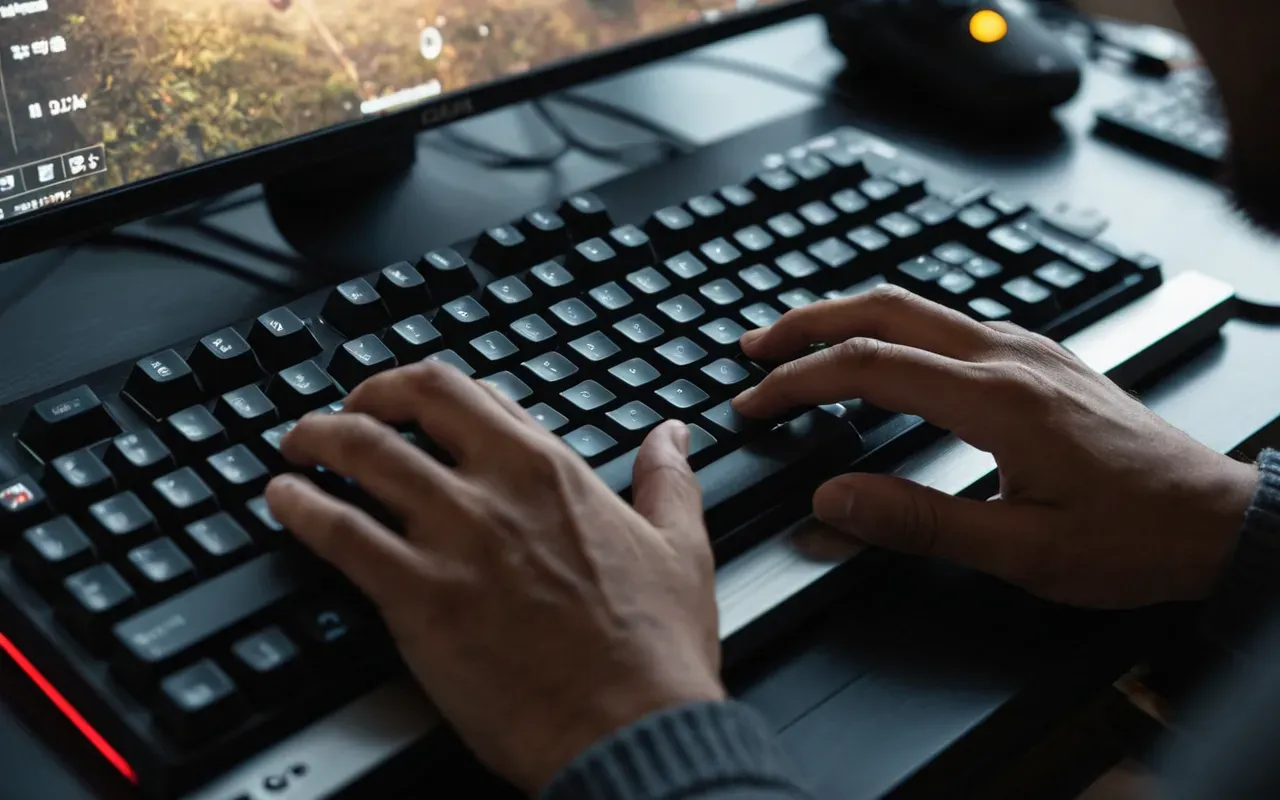
One player mentioned that his frustration dropped significantly. He no longer felt mentally exhausted after four hours of play.
It sounds trivial, but removing the visual noise changed how I perceive movement in the game. It's like turning down a background hum you didn't notice until it was gone.
Another player switched from a bright tropical camo to a dark desert pattern. He reported fewer missed shots in close-quarters combat scenarios.
The Connection Between Screen Setup And Mental Clarity
Your environment shapes your mental state. A chaotic visual background subconsciously signals chaos to your brain.
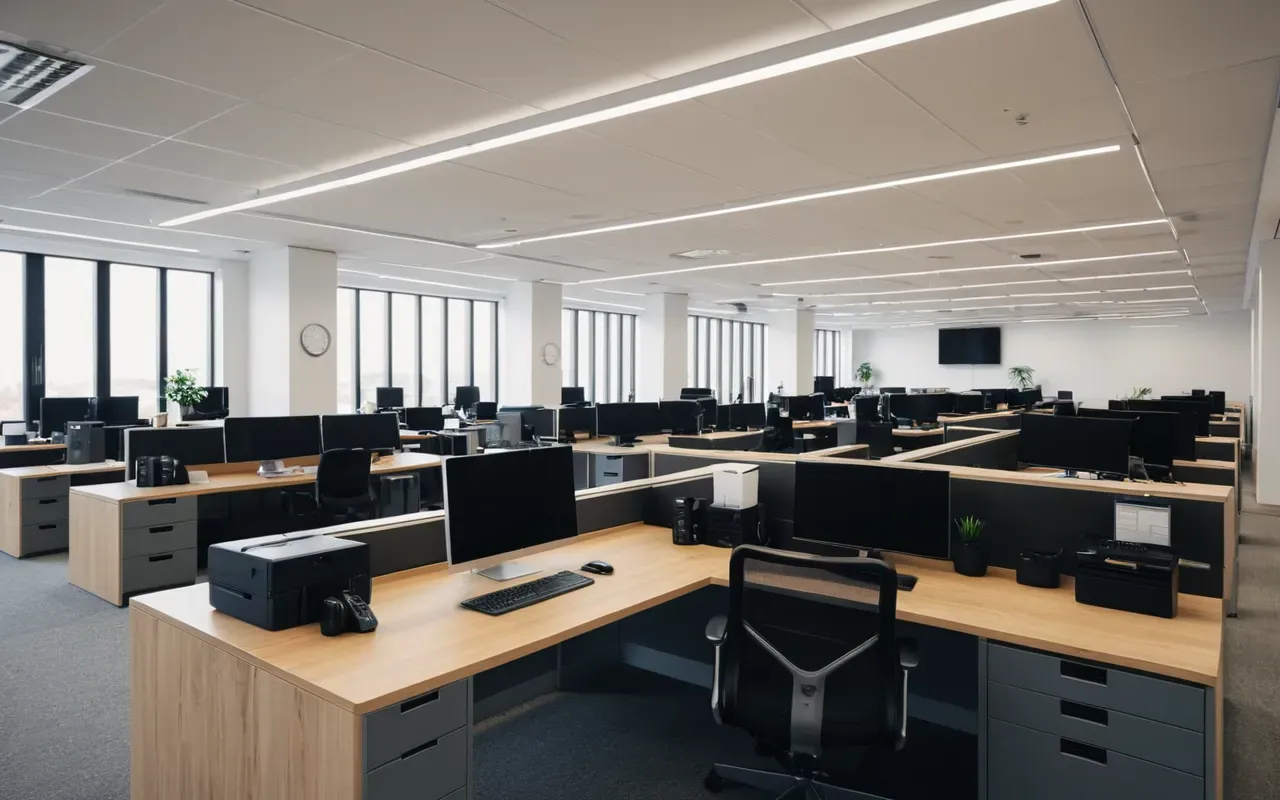
A clean, dark background promotes calmness. It tells your brain that the only important visual input is what's happening in the game window.
The Role Of Color Temperature In Fatigue
Cool blue tones can increase alertness but also cause faster fatigue. Warm tones are softer on the eyes during long sessions.
Experiment with slightly warmer darks if you find yourself straining your eyes by hour three. Your comfort level directly impacts your performance consistency.
I used to think my setup was fine until I tried a plain black background for two weeks. My aim felt sharper, and I made fewer mistakes in high-pressure situations.
Practical Steps To Fix Your Current Setup Today
You don't need to buy new equipment. You just need to change one setting on your computer right now.
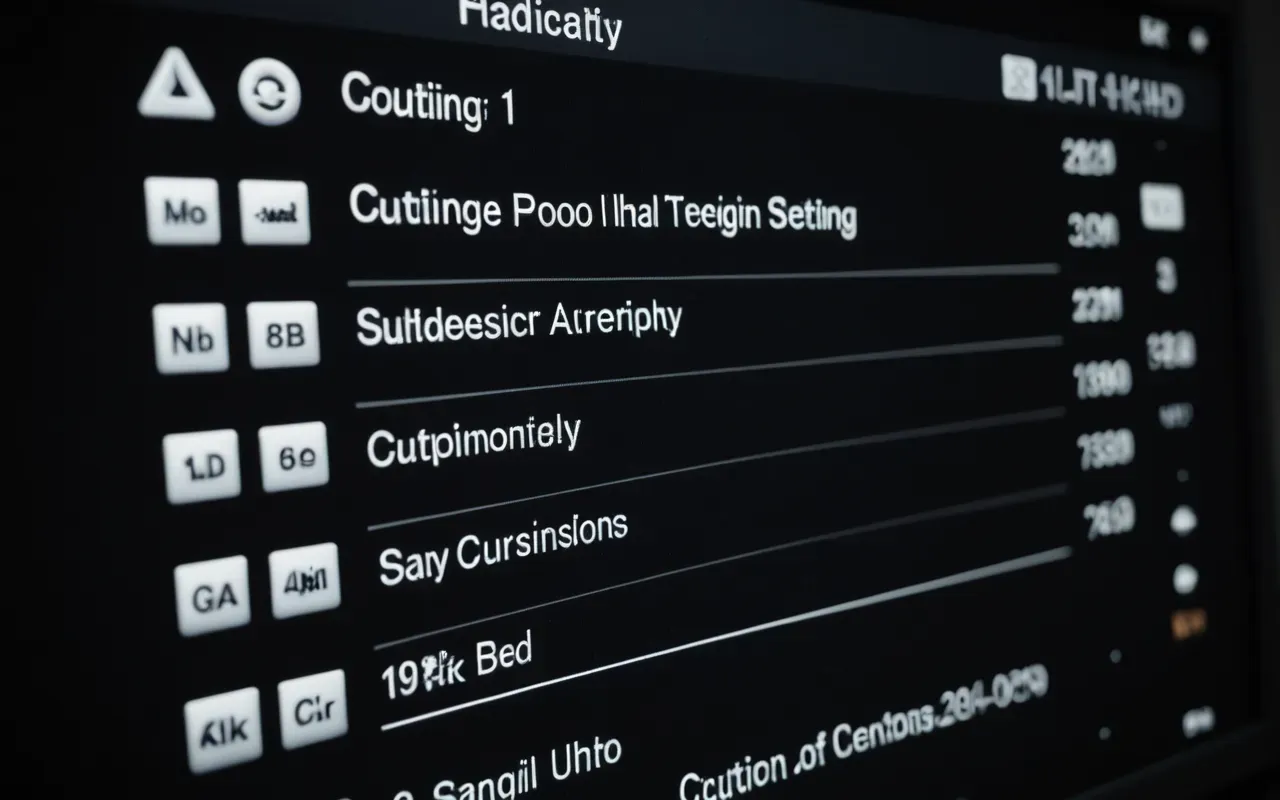
Open your display settings. Choose a solid color or a very subtle gradient as your new wallpaper. Save the change.
Testing Your New Background In Game
Launch your favorite Call of duty title. Play for at least ten minutes in a training mode or casual match.
Pay attention to how easy it is to track moving targets. Notice if your eyes feel less strained when shifting focus between the game and UI elements.
The first ten minutes were strange without the visual detail, but by minute fifteen I could see enemy models more clearly than before. It was a subtle shift that made a big difference in my confidence.
If you notice any improvement, keep the new setting. If not, try adjusting the brightness or contrast of your monitor to find the sweet spot for your eyes.
Why This Matters More Than You Think For Long Term Progress
Small optimizations compound over time. What feels like a minor tweak to your desktop can save you hours of frustration and lost matches.
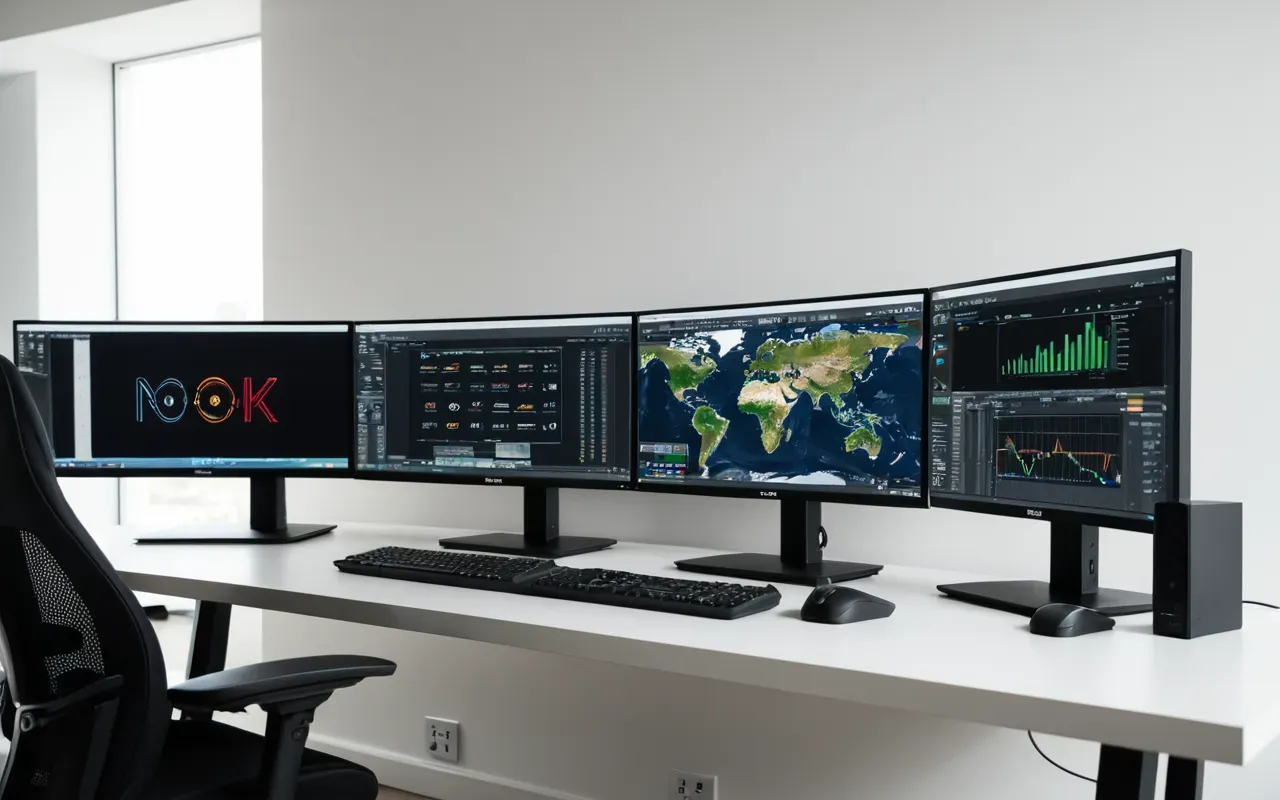
Your aim is not just mechanical. It's cognitive, visual, and mental all at once.
When you remove unnecessary distractions from your visual field, you free up mental resources for decision making and precise tracking.
I stopped looking at my wallpaper as decoration. Now I see it as part of my performance setup. That mindset shift changed how much I care about the details in my gaming environment.
Frequently Asked Questions About Call Of Duty Camo Wallpaper Impact
Does a dark wallpaper actually improve aim?
A dark wallpaper reduces visual noise, allowing your eyes to focus more easily on game elements. This can lead to faster target acquisition and less eye strain during long sessions.
What is the best color for a gaming background?
Dark neutral tones like black, dark grey, or deep navy are ideal. These colors provide contrast without causing eye fatigue and keep your focus on the game screen.
Can animated wallpapers hurt performance?
Yes, animated wallpapers create constant visual movement that distracts your attention. This can slow reaction times and increase mental fatigue during competitive play.
How long should I test a new wallpaper setting?
Give your brain at least two to three days of regular play sessions. This allows you to notice subtle changes in focus and comfort that immediate testing might miss.